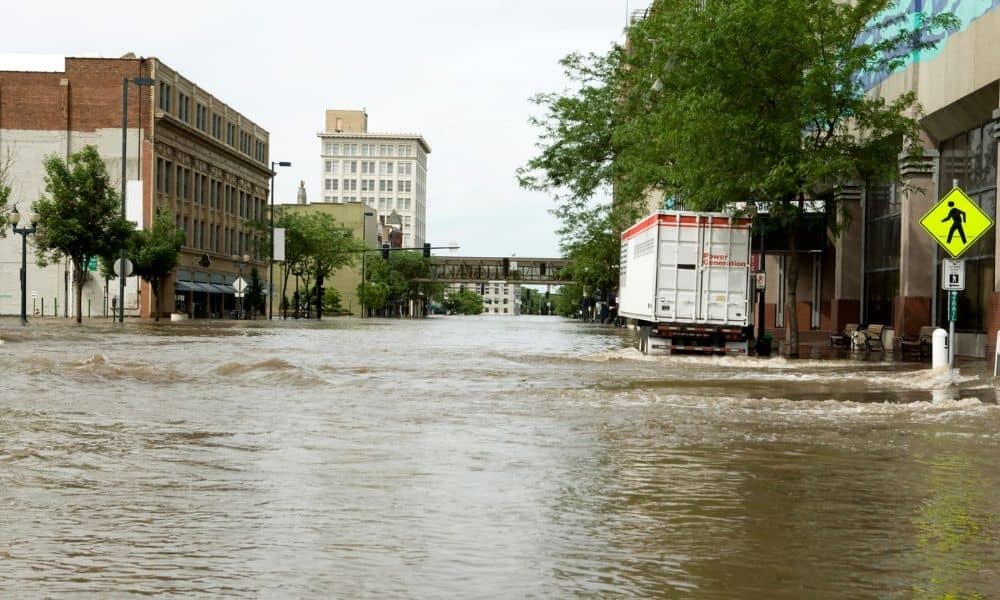
Nashville keeps growing fast. New homes go up every month. Big buildings change the skyline. Roads stretch farther into nearby towns. However, as the city grows, another issue keeps coming up — water quality. Over the past few days, people have talked again about bacteria levels, stormwater runoff, and sewer overflow in parts of Nashville. After heavy rain, some creeks have shown higher contamination levels. Because of this, every environmental engineer in the area is paying close attention.
This is not just environmental news. It affects property owners, developers, builders, and investors across Middle Tennessee.
What Is Causing the Water Quality Problem?
To understand the issue, you need to look at how cities grow.
As Nashville expands, more land gets covered with hard surfaces. Roofs, sidewalks, parking lots, and highways stop rainwater from soaking into the ground. Instead, rain moves quickly across pavement. As it flows, it picks up oil, dirt, trash, and bacteria. Then it drains into nearby creeks and rivers.
At the same time, some sewer systems are old. When strong storms hit, they cannot handle all the water at once. As a result, overflow can happen. That raises bacteria levels in waterways.
In addition, storms now bring heavier rain in shorter periods. This puts even more stress on drainage systems. Therefore, designs that worked years ago may not work as well today.
Because of these problems, local agencies watch development more closely. Community concern grows. News spreads quickly. As a result, water management has become a bigger issue for every project in Nashville.
Why This Matters to Developers and Property Owners
When water quality becomes a public issue, construction projects feel the impact.
Permits may take longer to approve. Inspectors may visit sites more often. Paperwork may increase. Fines for mistakes can become more serious.
For example, if mud from your site washes into a creek, you could face penalties. If your drainage system fails during a storm, you may need to fix it quickly. If runoff damages nearby property, you may face legal trouble.
Because of this, careful planning is more important than ever.
An environmental engineer helps prevent these problems before they happen.
What an Environmental Engineer Does in This Situation
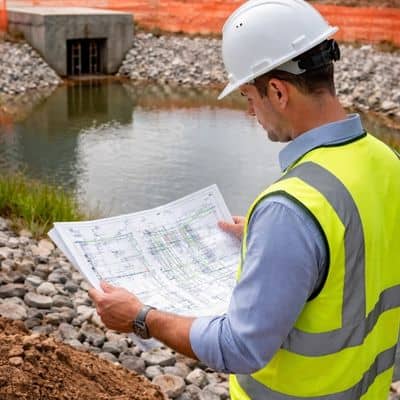
Many people think an environmental engineer only tests water. However, the job involves much more.
An environmental engineer studies how water moves across land. They look at soil, slopes, drainage paths, and nearby waterways. Then they design systems that slow down water and help filter it.
For example, they design stormwater basins that hold water during heavy rain. They create erosion control plans to stop soil from washing away. They also use models to see how a site will handle strong storms.
Most importantly, they make sure projects follow environmental rules from the start.
Because of this early work, developers avoid last-minute problems. Instead of fixing mistakes later, they move forward with confidence.
Nashville’s Growth Makes This More Important
Nashville’s fast growth makes water management more urgent.
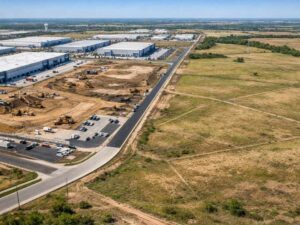
Every new home adds more roof space. Every new store adds more pavement. Each project may seem small, but together they increase runoff across the city.
As more land becomes covered, more water flows into creeks. Therefore, even projects far from major rivers can affect water quality.
At the same time, residents care more about how growth affects the environment. Investors also look at environmental risk before funding projects. As a result, strong water planning now helps protect both projects and reputations.
An environmental engineer helps balance growth with responsibility.
The Risk of Waiting Too Long
Some project owners wait until they must hire environmental help. However, waiting can cost more in the long run.
If a stormwater plan gets rejected, changes take time. Construction may slow down. Loan deadlines may shift. If flooding damages the site after building, repair costs rise quickly.
On the other hand, early planning reduces risk. Good drainage design lowers future maintenance costs. Clear plans help permits move faster. Careful modeling shows problems before they happen.
Because of that, bringing in an environmental engineer early often saves money and stress.
Building for a Changing Climate
Weather patterns are changing. Heavy rain happens more often than it did years ago. Therefore, projects must prepare for stronger storms.
Smart developers now design for bigger rain events, not just the minimum code. They increase stormwater capacity. They protect natural drainage paths. They plan for long-term site performance.
An environmental engineer uses data and local knowledge to guide those choices. Instead of guessing how a site will perform, they provide clear answers.
What This Means for Your Project
If your project includes grading, drainage, or nearby waterways, the current water quality focus affects you.
Regulators will likely keep watching closely. Community concern will stay high. Meanwhile, Nashville will continue to grow.
Because of this, early environmental planning gives you an advantage.
When you work with an environmental engineer from the start, you reduce delays, limit risk, and protect your investment. You also show that your project supports Nashville’s future.
Water quality now sits at the center of the city’s growth story. That is why every environmental engineer in Nashville is watching closely.
And if you plan to build or invest here, you should be watching too.