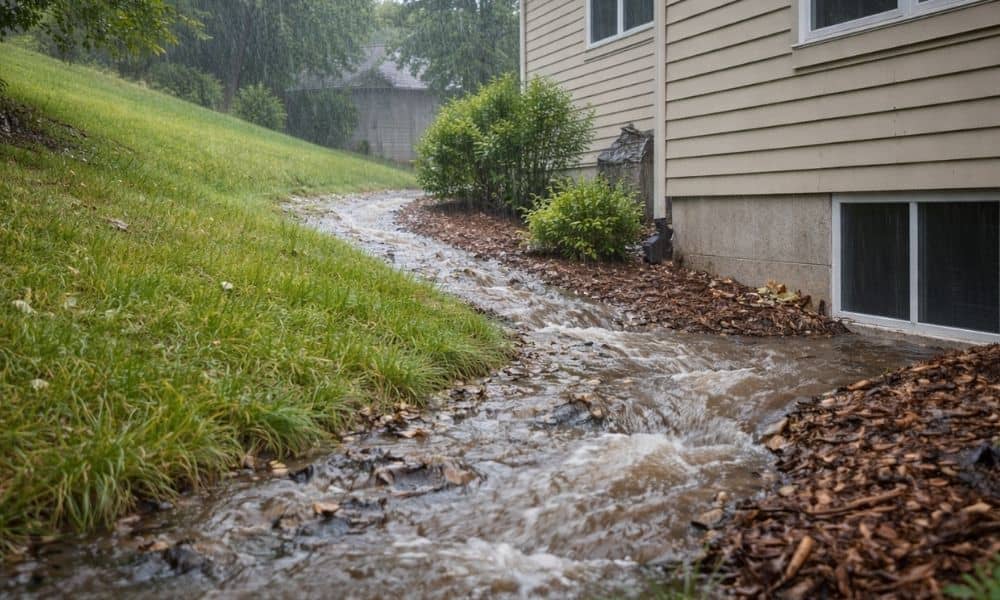
Over the past few weeks, many Chattanooga residents have talked about heavy rain, standing water, and sudden runoff. Some neighborhoods saw yards turn into ponds. Others noticed water rushing down driveways that had never flooded before. Even properties outside official flood zones experienced issues. So what changed? In many cases, the answer isn’t just rainfall. It’s elevation. And that’s exactly where a topographic survey becomes critical.
Flood Concerns Feel Different This Time
Chattanooga sits in a valley surrounded by ridges and hills. The Tennessee River runs through the heart of the city. Because of that terrain, water naturally moves downhill fast. However, when new homes, roads, and parking lots cover open ground, water has fewer places to soak in.
As a result, runoff moves quicker and collects in low areas.
Even small elevation changes can redirect thousands of gallons of rainwater. A few inches can make the difference between dry grass and a flooded crawl space.
Many property owners assume flood risk only applies to riverfront land. However, local rain events often cause drainage problems far from the river. That’s why recent flood concerns hit so many unexpected places.
What a Topographic Survey Really Shows
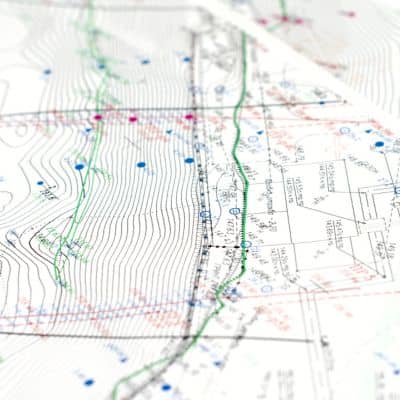
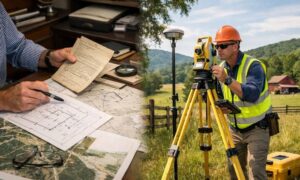
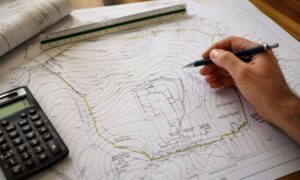
A topographic survey maps the shape of the land. It measures elevation, slopes, and surface features. Instead of guessing how water might move, you see the exact contours of your property.
For example, a topographic survey reveals:
- High points and low points
- Natural drainage paths
- Steep slopes
- Man-made features that affect runoff
- Subtle dips that collect water
While online maps show general land shapes, they lack precision. They don’t capture small elevation changes that impact drainage. Likewise, FEMA flood maps focus on large floodplains, not yard-level water flow.
In contrast, a topographic survey provides detailed elevation data that engineers, builders, and homeowners can actually use.
Why Elevation Matters More Than Ever
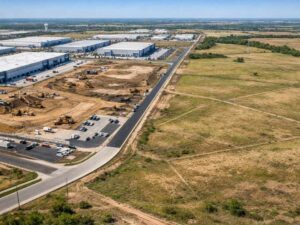
Chattanooga continues to grow. New subdivisions expand into hillside areas. Commercial projects reshape once-open land. Each development changes how water flows.
When crews clear trees and add pavement, rainwater moves faster. Instead of soaking into soil, it runs across hard surfaces. Consequently, water reaches low spots quickly and often overwhelms storm drains.
Even if your home never flooded before, uphill development can shift runoff toward your lot.
Because of this, understanding elevation becomes essential. A topographic survey shows whether your property sits in a natural drainage path. It also highlights areas where grading adjustments can prevent future issues.
A Real-World Scenario Many Buyers Face
Imagine you’re buying a home. The yard looks level. The neighborhood seems safe. The seller mentions no flooding history.
However, after your first heavy rain, water pools near the foundation.
Why?
Often, the problem comes from subtle grading. Maybe the backyard slopes slightly toward the house. Maybe the driveway channels water along the side wall. These changes might only measure a few inches, yet they create big drainage problems.
If you had ordered a topographic survey before closing, you would have seen the elevation data clearly. You could have asked for drainage corrections or negotiated repairs.
That’s why smart buyers treat a topographic survey as part of due diligence, especially on sloped lots.
Builders and Developers Need It Too
Homeowners aren’t the only ones affected.
Builders rely on accurate elevation data to design foundations and driveways. Developers use it to plan stormwater systems and lot layouts. Without a topographic survey, they risk costly rework.
For example, if grading doesn’t match natural contours, crews may need to reshape soil after construction starts. That adds labor, equipment time, and delays.
On the other hand, when teams start with a topographic survey, engineers design drainage systems correctly from day one. As a result, projects move smoother and pass inspections faster.
Small Elevation Changes Create Big Problems
Many people underestimate how little slope it takes to move water.
A drop of one foot across a yard can direct heavy runoff toward a structure. Likewise, a shallow depression can trap rainwater against a foundation.
Because these changes appear subtle, they often go unnoticed. However, a topographic survey measures them precisely. Surveyors use advanced tools to collect elevation points across the site. Then they create contour lines that show how water naturally flows.
Instead of relying on visual judgment, you base decisions on real data.
When Should You Order a Topographic Survey?
Recent flood concerns remind us that preparation matters.
You should consider a topographic survey when:
- Buying property with noticeable slopes
- Planning a patio, driveway, or pool
- Starting new construction
- Subdividing land
- Fixing ongoing drainage issues
In each case, elevation plays a major role. The earlier you understand the land’s shape, the easier you prevent costly mistakes.
Prevention Costs Less Than Repairs
Water damage repairs add up quickly. Foundation fixes, soil stabilization, and drainage retrofits cost far more than early planning.
Moreover, unresolved drainage problems can create disputes between neighbors. Water doesn’t respect property lines. If grading changes send runoff onto nearby land, conflict often follows.
By contrast, a topographic survey helps you design responsibly. It allows you to control water instead of reacting after damage occurs.
In other words, you invest in clarity before problems start.
Chattanooga’s Terrain Demands Precision
Chattanooga’s hills and valleys create beautiful views. At the same time, they demand careful site planning. Heavy rain will continue. Development will continue. Elevation will always shape how water moves.
Recent flood concerns didn’t appear out of nowhere. They revealed how closely land shape and drainage connect.
That’s why a topographic survey plays such a critical role today. It gives you a clear picture of your property’s elevations. It empowers you to plan smart. And most importantly, it helps protect your investment before the next storm hits.
Water always follows the path of least resistance. A topographic survey shows you exactly where that path runs — so you can stay ahead of it.