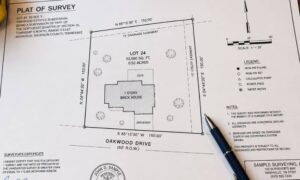

A lot of commercial property buyers expect the survey step to be simple. Order the survey, wait a bit, receive the map, move toward closing. However, many deals this month are hitting a snag at exactly that point — the ALTA land survey.
Closings that looked ready are getting pushed. Lenders are sending surveys back for edits. Title reviewers are asking for changes. Buyers are wondering why a survey suddenly became the slowest part of the deal.
The short answer is this: survey expectations have tightened, and timing mistakes are exposing the gap. Even experienced buyers are getting caught off guard.
The Survey Step Used to Sit Quietly in the Background
For years, buyers treated the ALTA land survey as a technical formality. It supported the lender and title insurer, but it rarely became the main source of delay. As long as the boundary looked right and the certification block was signed, the deal moved forward.
Now, that quiet step sits under a brighter spotlight.
Lenders and title teams review ALTA surveys more closely than before. They check wording, scope notes, plotted items, and certification names line by line. Because of that, details that once passed without comment now trigger revision requests.
Nothing dramatic changed in how land gets measured. Instead, what changed is how carefully the final document gets reviewed.
That difference matters more than buyers expect.
Why Deals Are Getting Stuck Mid-Process

Many buyers still follow an old sequence. First comes the contract. Then comes financing. After that, someone orders the ALTA land survey. On paper, that order feels logical. In practice, it creates risk.
Survey standards and lender review rules apply at approval time — not contract time. Therefore, when buyers wait too long to order the survey, they step into updated expectations without realizing it.
That leads to scope changes after work has already started. A surveyor may need to add items that were not in the original request. Sometimes the field crew must revisit the property. Other times the map needs new notes or expanded certifications.
Each adjustment adds time. Buyers feel that time pressure immediately.
The Name Stayed the Same — The Expectations Didn’t
Here’s where confusion grows.
The term ALTA land survey did not change. Buyers hear the same phrase and assume the same deliverable. Meanwhile, lenders often update their internal checklists quietly. Title companies refine their review standards. Legal teams request more precise language.
From the buyer’s point of view, nothing looks different — until the survey comes back marked for revision.
That disconnect explains why so many people feel blindsided. They ordered what they thought was standard. The reviewer expected something more detailed.
Both sides acted reasonably. However, the expectations didn’t match.
Older Surveys Are Failing More Often
Another surprise shows up when buyers try to reuse an older ALTA land survey. That strategy used to work more often. Today it fails more often.
Reviewers now look harder at survey dates, site changes, and title exception updates. If anything looks outdated, they reject the document for lending or title coverage. Then the buyer must order an update anyway.
As a result, what looked like a shortcut turns into a restart.
Buyers often learn this late — sometimes only days before closing.
Fast Closings Feel the Impact First
Not every deal runs into trouble. Slower transactions can absorb revisions without much drama. Fast deals cannot.
Refinances, investor purchases, and exchange-driven acquisitions usually run on tight clocks. When a survey revision cycle appears, the schedule suddenly feels fragile. Everyone scrambles. Stress rises. Blame starts bouncing between parties.
Yet the survey rarely caused the delay by itself. Most of the time, late ordering and unclear scope created the chain reaction.
Timing — not measurement — sits at the center of the problem.
A Better Way to Think About the Survey Step
Buyers who avoid trouble tend to treat the ALTA land survey as an early coordination task, not a closing task.
They bring the surveyor into the conversation sooner. They share the title commitment early. They ask the lender about survey wording before work begins. Because of that, the survey starts with the right scope instead of growing midstream.
This approach doesn’t slow the deal. In fact, it usually speeds it up. Fewer revisions mean fewer review cycles. Fewer review cycles mean steadier timelines.
Simple shift — big payoff.
Communication Now Matters More Than Complexity
Interestingly, most delays today don’t come from difficult sites. They come from unclear instructions.
A clean, simple property with mismatched certification names can stall. Meanwhile, a complex parcel with aligned expectations can move smoothly. The difference comes from communication, not terrain.
When the surveyor, lender, and title reviewer share the same scope early, the ALTA land survey moves through approval with fewer questions. When they don’t, even small wording gaps cause friction.
That pattern shows up again and again in current transactions.
What Buyers Should Keep in Mind Right Now
If you’re entering a commercial deal this month, assume that survey review will run tighter than before. Plan for coordination instead of assuming routine approval. Start the ALTA land survey conversation earlier than you think necessary.
None of this means surveys became harder. It means reviews became stricter.
Buyers who adjust early move through closing with fewer surprises. Buyers who rely on old timing habits often feel caught off guard.
And in today’s lending environment, fewer surprises usually mean faster closings.