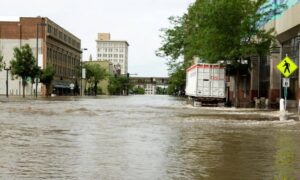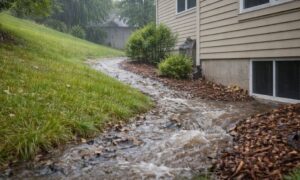
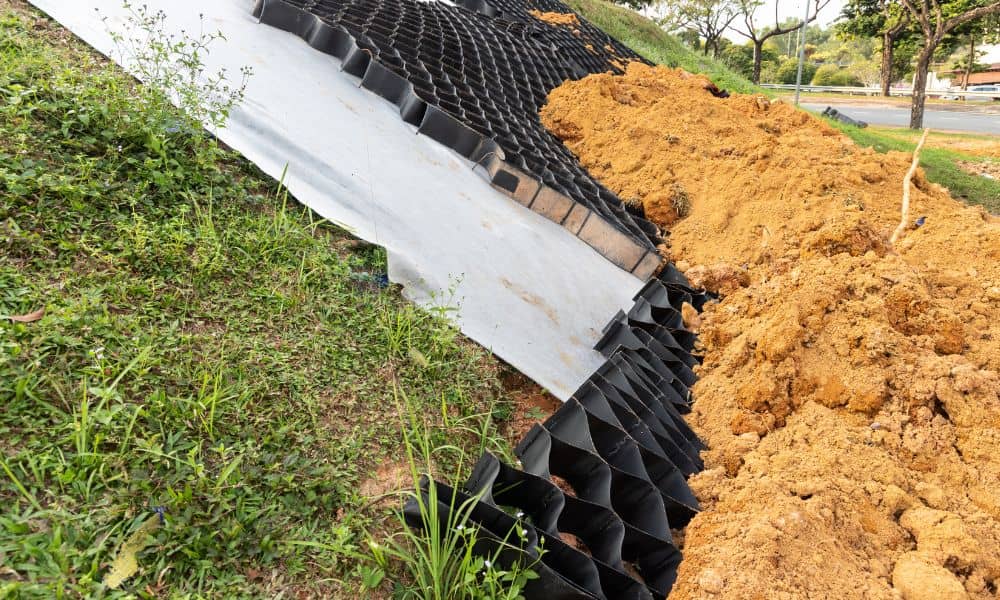
Weather in Memphis has always been unpredictable, but recent studies show a clear shift. The University of Memphis reports that Tornado Alley is moving east, which means the Mid-South now faces stronger storms, heavier rain, and faster runoff. Because of this change, every construction project—from small residential lots to large commercial sites—needs a stronger erosion control plan right from the start. Without one, soil can wash away, drainage can fail, and sites can face costly setbacks.
As storms grow more intense, soil moves differently than it did just a few years ago. Rain comes down harder, wind pushes loose ground faster, and slopes lose stability quicker. Even flat lots feel the impact. After any major storm, you can see muddy streets, clogged gutters, and bare patches where grass used to be. These are early warning signs that today’s weather demands better protection.
Stronger Storms Are Changing How Soil Behaves in Memphis
Erosion is not a new problem, but today it happens much faster. A single downpour can wash out a week of work. In many cases, it also damages utilities, sidewalks, and nearby properties. Because storms now hit in quick and powerful bursts, older erosion control methods no longer hold up. Silt fences fall over, straw blankets slide away, and mud travels farther than before. Once soil leaves a site, it becomes harder—and more expensive—to repair.
What changed? Storm systems now bring more back-to-back rain events. Years ago, Memphis had longer breaks between heavy storms. Now the ground stays wet for days at a time. When soil stays saturated, it becomes soft and easy for water to move downhill. The Mid-South’s clay-heavy soils make the problem worse. Clay swells with moisture and becomes slick, causing entire sections to shift when strong rain hits.
Developers and homeowners feel these changes quickly. A new driveway might crack because the soil beneath it shifts. A backyard fence leans after runoff washes away its base. Even new subdivision streets can form dips and soft spots when the soil below erodes or compacts unevenly. When these problems appear early, timelines stretch. When they appear later, repairs become costly. A strong erosion control plan helps prevent almost all of these issues.
Why Traditional Erosion Control Is No Longer Enough
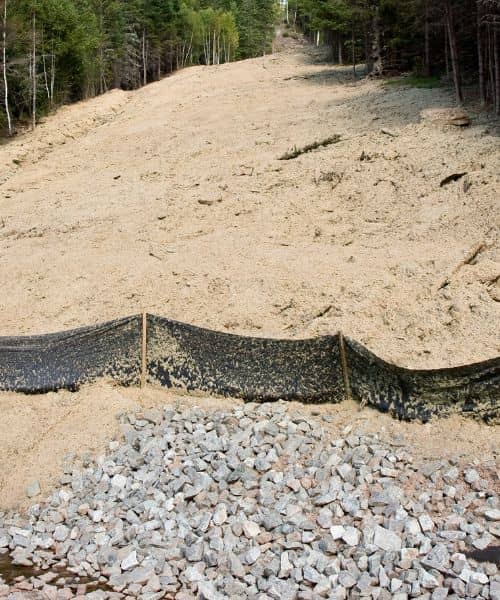
A modern, storm-ready erosion control plan looks very different from what builders used five or ten years ago. Instead of simple one-layer protection, today’s plans rely on stronger materials and smarter approaches. For example, double-stacked silt fences help catch more sediment during high-flow storms. Rock berms slow down fast-moving water before it reaches streets. Compost filter socks create soft barriers that stay in place, even during strong winds.
Still, materials alone cannot solve the problem. Timing matters just as much. Clearing an entire site at once is no longer safe. It exposes too much soil during peak storm seasons. Instead, phased clearing protects part of the ground while work continues. Temporary grass or mulch helps stabilize bare soil until permanent structures are ready. Even small steps like covering soil piles or redirecting runoff can make a big difference in preventing washouts.
As weather patterns intensify, erosion control and drainage design now work hand in hand. Stronger rains bring higher peak flows. When ditches, swales, and storm drains are not sized for these peaks, water spills out and cuts through exposed soil. A stronger erosion control plan includes ways to guide water safely so it does not damage the site or nearby properties.
Older Neighborhoods Face Bigger Risks
Many neighborhoods were built long before the region experienced this level of storm activity. Some homes sit on slopes that were never reinforced. Drainage systems in older communities clog easily because they were designed decades ago. When new development sits next to these areas, runoff becomes even more complicated. A strong erosion control plan protects both the active project and the surrounding homes.
Builders today must consider how their work impacts neighbors. Sediment in the street, clogged storm drains, and runoff into yards all create problems that city inspectors notice. These issues can lead to fines, stop-work orders, and long delays. With stronger storms becoming more common, builders cannot risk weak erosion control.
Real-World Impacts on Memphis Construction Projects
Several recent local projects show how quickly storms can damage unprotected sites. On a commercial build in the metro area, heavy rain hit right after clearing started. The erosion plan only used basic silt fencing. After two strong storms, more than half the topsoil washed into the road. Storm drains clogged, the street flooded, and the project paused for cleanup and re-inspection. The repair cost was far higher than what a stronger plan would have required at the start.
Smaller residential projects face similar challenges. A home site might lose its shape after a single storm. Trenches fill with mud, slowing down utility work. Foundation backfill erodes and causes settlement cracks. These problems frustrate builders and create stress for homeowners. A strong erosion control plan keeps soil in place, protects work areas, and keeps projects moving on schedule.
How Civil Engineers Strengthen Erosion Control Plans
Civil engineers now design erosion control plans based on these new storm patterns. They study soil type, slope angles, and drainage paths before work begins. They plan safe water routes, reinforce weak areas, and choose materials that last during extreme weather. Engineers also help builders stay compliant with state and city rules, avoiding fines or stop-work orders. Most importantly, they keep construction sites stable even when storms hit suddenly.
A well-designed erosion control plan protects budgets, schedules, and long-term site stability. It also reduces the risk of damage to nearby streets, homes, and waterways. As the Mid-South faces stronger storms, this type of planning becomes essential—not optional.
Conclusion:
Weather is changing. Stronger storms are now part of the region’s climate, and this shift brings serious challenges to construction sites. Because of this, an erosion control plan is no longer just paperwork. It is a crucial defense that keeps soil in place, protects structures, and prevents costly delays.
If you are planning a project, now is the right time to upgrade your erosion control approach. Talk with a local civil engineer who understands the region’s new storm patterns and can design a plan that holds up. With the right erosion control plan in place, your project stays safe, stable, and storm-ready from day one.