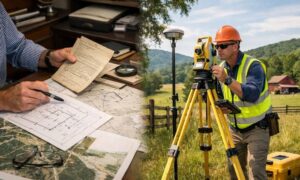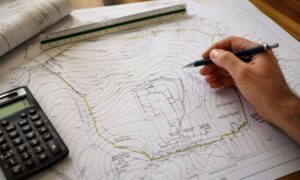
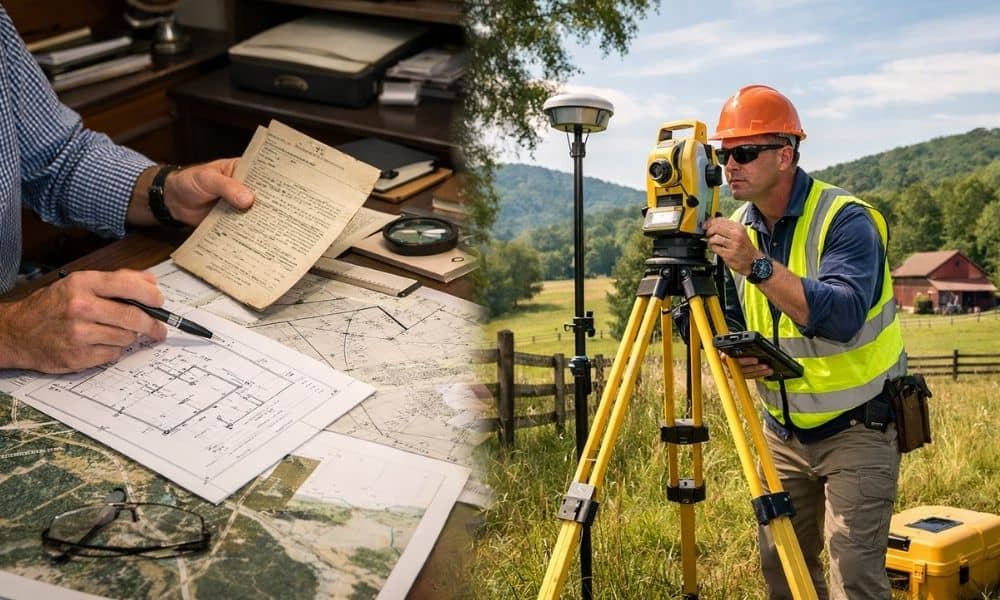
Before a licensed land surveyor visits your property, they spend time reading old documents. This might seem like extra work. It’s not. These old papers hold important clues. They help the surveyor understand your property before measuring anything.
For developers, this step matters. Skipping record searches can cause delays. It can create confusion about where property lines actually sit. Record searches prevent these problems.
Here’s the simple truth. Property lines aren’t just measured outside. They’re described in old legal documents. A licensed land surveyor reads these documents first. Then they go outside to measure. This order makes everything work better.
Older Tennessee Properties Often Leave a Paper Trail That Must Be Studied First
Tennessee has records going back many years. Your property might have deeds from 50 years ago. Some go back 100 or even 150 years.
A licensed land surveyor reads all these old documents. Here’s what they look for:
- Old deed descriptions. Old deeds describe boundaries using creeks, roads, and neighbors’ properties instead of exact numbers. These old words give clues about where lines really sit.
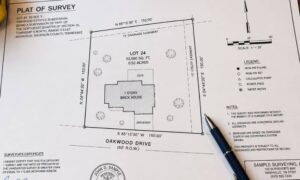
- Subdivision plats. If your property was part of a bigger division, a map shows how it was split up. This map often has measurements and markers.
- Old property transfers. Each time property was sold, a new document was recorded. Reading these shows how descriptions changed over time.
Tennessee properties with long histories need this research. A licensed land surveyor cannot measure correctly without understanding the old descriptions first.
Neighboring Deeds Can Provide Clues That One Property Record Cannot
Your deed tells part of the story. Your neighbors’ deeds tell more of it. A licensed land surveyor always reads neighboring deeds.
Why? Because neighbor deeds often have details your deed doesn’t have. For example:
- A neighbor’s deed might mention a creek as the boundary line. Your deed might not mention it. But that creek is important for understanding where your line really goes.
- Neighbor deeds sometimes describe roads or fences that connect to your boundary. These details help confirm where lines should be.
- Older neighborhoods often have similar lot descriptions. Reading how neighbor lots were described explains your lot better.
This helps surveyors understand the whole picture. A licensed land surveyor uses neighboring information to measure with confidence.
Historic References May Point to Features That No Longer Exist
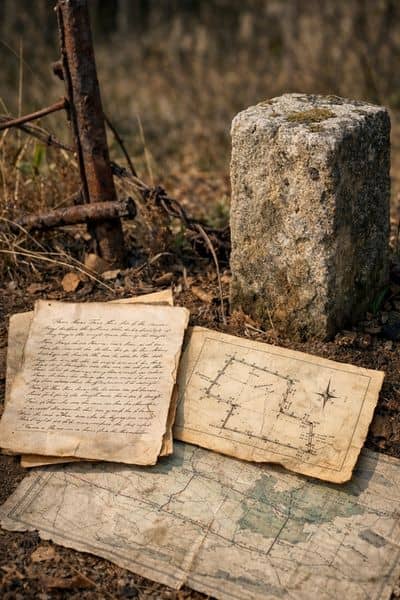
Many old property deeds mention things that are gone now. Roads have moved. Creeks have changed course. Fences have disappeared. Trees have been cut down.
A licensed land surveyor knows this happens. They read old deeds to see what was there when boundaries were first made. Common things mentioned in old deeds include:
- Old creek beds that flow somewhere else now
- Historic roads replaced by new highways
- Original fences that shaped property lines
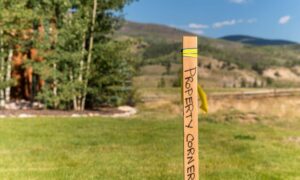
- Stone markers or trees that marked corners
Before visiting your property, your surveyor researches these missing features. When they’re on your land, they look for signs of where things used to be. Sometimes an old trail is still visible. Sometimes the old creek bed is still there underground. Sometimes an old fence line still affects the boundary.
This research means your surveyor arrives ready. They know what to look for.
Pre-Visit Research Helps Make Field Time More Efficient
Office research makes field work faster. A licensed land surveyor who knows your property’s history comes prepared.
Here’s how it saves time:
- No wasted measuring. The surveyor knows which points matter. They focus on important spots instead of measuring everything.
- Fewer return trips. Good preparation means fewer mistakes. Fewer mistakes mean fewer extra visits to your property.
- Quicker problem solving. When something unexpected appears on your land, the surveyor has already studied the records. They can quickly decide if it matters for the boundary line.
- Better notes and photos. The surveyor arrives ready to take good photos and sketches. Their documentation is clearer.
For developers, this matters. Less time on your property means faster work. Faster work means lower costs.
Counties With Long Histories Often Require More Record Investigation
Different counties have different record histories. Some properties are simple. Others are complicated.
Counties like Davidson, Shelby, and Knox have very old records. This makes the work harder. A licensed land surveyor in these counties might need to read:
- Many deeds from different owners over many years
- Subdivision maps from the early 1900s
- Court papers about boundary disagreements
- Old surveys that might disagree with new ones
Older property histories are harder to read. Old documents use old words that don’t make sense today. A licensed land surveyor must figure out what these old words mean.
Even newer counties can have old properties with complicated histories. Your surveyor will check your property’s specific history and spend the right amount of time researching it.
Frequently Asked Questions
Why does a licensed land surveyor review records before visiting a property?
Record research helps the surveyor understand old descriptions. It shows what information may guide field measurements.
Can neighboring deeds affect a survey?
Yes. Adjacent property records may have details that explain your property’s boundary descriptions.
Do older properties require more research?
Often, yes. Old deeds and older neighborhood maps may need extra investigation before field work starts.
What kinds of records does a licensed land surveyor review?
Surveyors read deeds, maps, past surveys, and county land records. These documents provide information about your property.
Does record research replace a field survey?
No. Record research is preparation. It helps support the actual measuring work done outside.