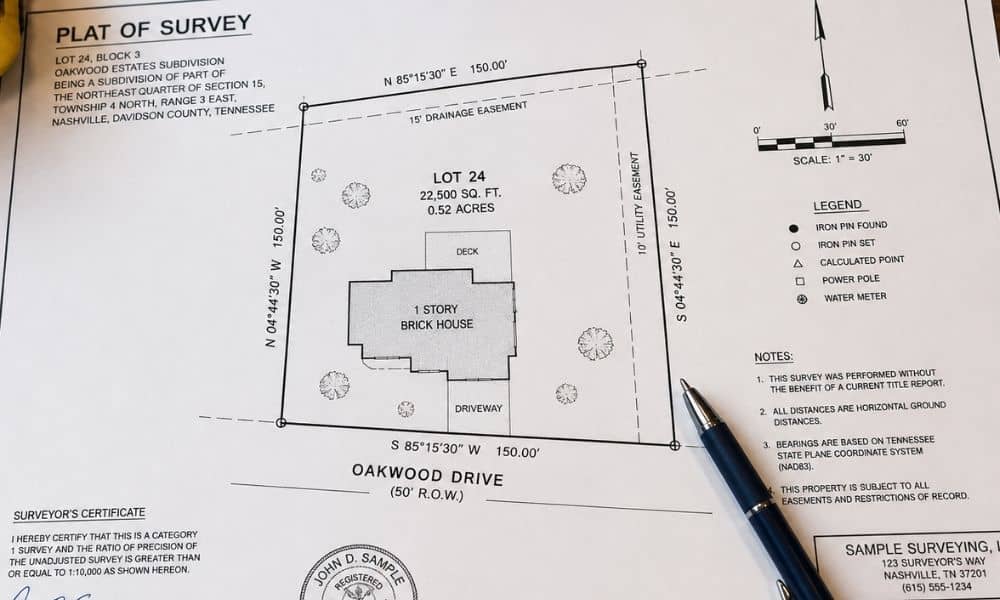
A plat of survey is a detailed drawing made by a licensed land surveyor that shows important information about a property. It can include lot dimensions, property boundaries, structures, easements, and other land features. In Nashville, property owners often need a plat of survey before buying land, making improvements, planning projects, or understanding what exists on their property.
Many people hear the term and assume it is just another property map. That is not always true. A plat of survey can help answer important questions about a piece of land and may prevent costly problems later.
What Is a Plat of Survey?
A plat of survey is a measured map based on fieldwork and records. Surveyors gather information from legal documents, property records, and on-site measurements. They then turn that information into a clear drawing.
The goal is simple. It helps show what exists on the property and where it is located.
A plat of survey often includes:
- Property boundary lines
- Lot dimensions
- Property corners
- Existing structures
- Driveways
- Visible encroachments
- Easements and rights-of-way
- Road frontage information
Instead of guessing where things are, property owners get a document that provides a visual picture of the land.
Why Property Owners Need One
Nashville continues to grow. New neighborhoods, redevelopment projects, and home improvements happen throughout the city each year. As properties change, understanding the layout of land becomes more important.
A plat of survey may be useful for:
- Purchasing a property
- Planning a home addition
- Building a garage
- Installing a pool
- Dividing land
- Checking lot details before development
- Understanding access areas on a property
Many property owners only think about surveys when buying real estate. In reality, land questions can come up years later.
For example, someone buying an older property in Nashville may discover that records from decades ago are unclear. The land may have changed over time. Nearby construction or older improvements may also create confusion.
Having current survey information can help clear up uncertainty.
Can a Plat of Survey Show Easements?
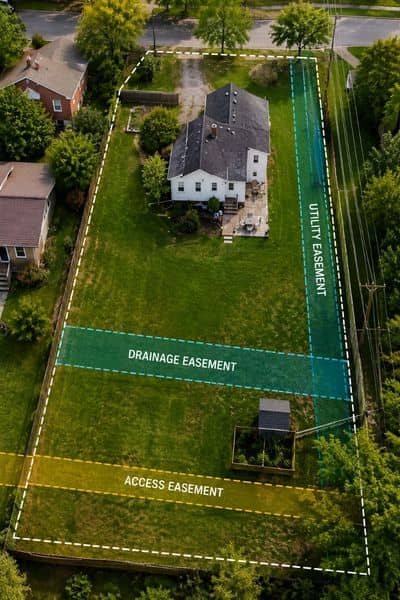
Yes. A plat of survey may show easements when they are known, visible, or found within title documents and public records.
An easement allows another party to use a portion of land for a specific purpose. This does not mean ownership changes. It simply gives someone certain rights to use that area.
Common examples include:
- Utility access areas
- Drainage easements
- Public access routes
- Shared drive areas
This information matters because easements can affect future plans.
Imagine purchasing a property with plans to build a detached workshop. Later you learn a utility easement crosses part of the yard. Suddenly, the available building area becomes smaller than expected.
That is why property owners often want to understand these details before making decisions.
How Is a Plat of Survey Different From Other Property Maps?
Many people confuse a plat of survey with online parcel maps or tax records.
Online maps are useful for general information. However, they are not always accurate enough for planning or legal purposes.
A plat of survey uses actual survey work and measured information.
Some online property maps can:
- Show outdated boundaries
- Miss structures
- Leave out improvements
- Exclude important land details
Davidson County records and parcel tools can help property owners research information. Still, they should not replace current survey work when accuracy matters.
Why Understanding Property Details Matters
Land may seem simple at first. A lot line on paper look easy to understand. Real properties are often more complicated.
Older neighborhoods can contain properties with unique shapes, changing records, and historical changes over time.
Questions may come up like:
- Does this structure sit fully on the property?
- Does the lot match old records?
- Are there access areas affecting use of the land?
- Does the property layout fit future plans?
These questions often appear during property decisions, construction planning, or land improvements.
Knowing these details early can help avoid delays and surprises.
Where Can Property Owners Start?
Property owners can begin by reviewing local records and deed information. Davidson County keeps property records that can provide useful background details.
Still, records alone do not always answer every question.
Properties change. Improvements get added. Older records can contain missing details.
Survey information helps create a clearer picture based on current conditions.