When heavy rain hit East Tennessee last weekend, social media filled with videos of flooded roads and sinkholes opening up in driveways. While most people scrolled past, engineers saw something different — how stormwater design affects whether a city can handle sudden downpours.
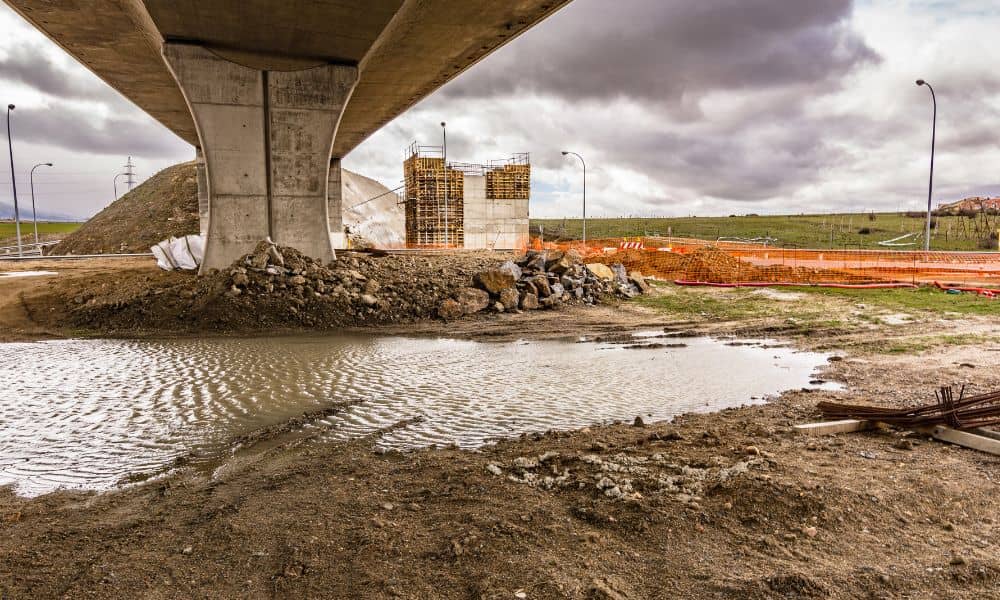
This week, Knoxville drivers faced new lane closures and detours near the SR-162 bridge. To most people, it looked like just another traffic problem. But behind those orange cones, crews are working on drainage and bridge upgrades that will help keep the city safer the next time a storm like this hits.
When Flood Videos Go Viral — and What’s Really Happening
The recent flash floods across East Tennessee didn’t just make for viral clips. They reminded us of something simple: many older cities weren’t built for today’s rain. Knoxville’s hilly land and clay soil don’t absorb water quickly. When drains clog or bridges sit too low, that water has nowhere to go.
According to the Tennessee Department of Transportation (TDOT), several lane and bridge closures were planned in mid-October for drainage and bridge improvements. These projects might slow down traffic, but they’re part of a much bigger effort to upgrade how the city handles runoff before the heavier winter rains arrive.
Every closure tells a story — crews replacing old pipes, widening culverts, and strengthening slopes. It may not make headlines, but it keeps Knoxville’s roads and bridges working safely.
The Hidden Work of Stormwater Design
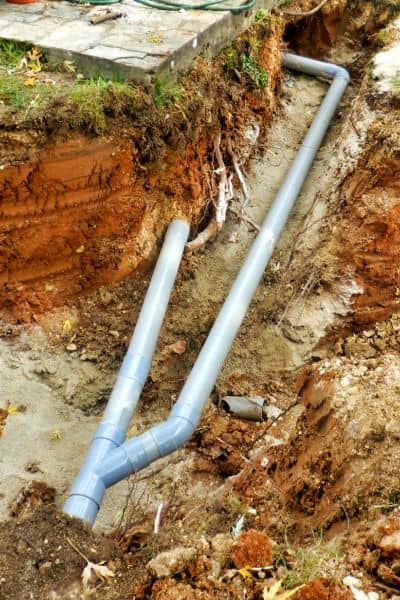
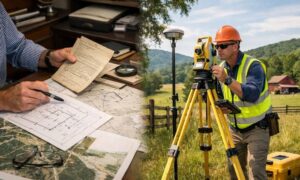
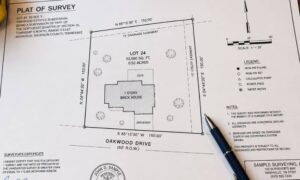
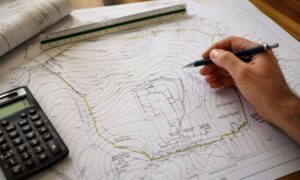
So what exactly is stormwater design? It’s how civil engineers plan where rainwater goes after it hits the ground. Using rainfall data, soil tests, and elevation maps, they decide how to move that water away from homes, roads, and buildings without causing damage.
In cities like Knoxville, stormwater design includes detention ponds, curb inlets, underground pipes, and ditches that collect and move water safely. It’s not just about avoiding floods. Good design keeps pollution out of rivers, prevents erosion, and protects public spaces.
When engineers design drainage systems, they aren’t only thinking about today’s rainstorm. They plan for storms that could happen ten or twenty years from now. That’s how communities stay protected for generations.
What’s Going On Beneath the Bridge
The SR-162 bridge project isn’t about filling potholes. Crews are improving how water drains around and under the bridge. That means replacing small culverts with larger ones, stabilizing slopes with stone, and making sure rainwater doesn’t sit on the bridge deck.
This type of work might seem routine, but it’s essential. Without proper drainage, stormwater can eat away at the soil that supports roads and bridges. Over time, that leads to cracks, washouts, or even collapses.
A typical project might include:
- Installing bigger culverts to handle more water.
- Adding rock barriers to stop erosion.
- Adjusting the slope of the road to direct runoff.
- Building detention ponds to hold water during storms.
Each step plays a part in protecting infrastructure and the people who rely on it every day.
Why It Matters for Knoxville
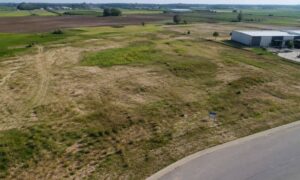
Knoxville continues to grow — new homes, new stores, new parking lots. All that new pavement means less water can soak into the ground. When storms hit, runoff moves faster and collects in low areas.
For homeowners, that can mean water pooling in yards or basements. For developers, it can mean project delays if plans don’t meet new drainage standards. And for the city, it can mean expensive emergency repairs when flooding damages roads.
Stormwater design helps avoid those problems. With the right systems in place, neighborhoods stay dry, properties stay safe, and roads stay open.
What Bridge Closures Really Mean
When you see signs that say “Bridge Work Ahead,” it might actually mean something more than resurfacing.
- A single-lane closure often means workers are digging trenches for new drainage pipes.
- A full closure can mean the bridge itself needs drainage or slope repairs.
- A detour might mean crews are replacing a culvert under the road.
These closures are not random—they’re part of long-term flood protection. Every improvement keeps water flowing where it should, not across your street or driveway.
For Builders and Developers
If you’re planning a project, now is the time to take stormwater design seriously. It’s more than a box to check for permits — it’s about avoiding major costs later.
Here are a few smart moves:
- Work with a licensed civil engineer who knows terrain and weather.
- Review local stormwater manuals before submitting plans.
- Use detention or retention ponds that can handle modern storm patterns.
- Consider green solutions like rain gardens, bioswales, or previous pavement.
These choices not only help meet city requirements but also build trust with clients and the community.
What Residents Can Do
You don’t have to be an engineer to make a difference. Keeping ditches clear, cleaning gutters, and never dumping trash near drains helps more than you think.
If you spot standing water after storms or blocked drains, call the city’s 311 line. Every report helps engineers locate small issues before they grow into bigger problems.
A City Preparing for the Future
Knoxville’s latest bridge closure may be slowing traffic today, but it’s a sign of progress. Behind every orange cone is a team of engineers and workers making sure the city can handle the storms of tomorrow.
As Tennessee’s weather becomes less predictable, stormwater design will keep playing a huge role in how Knoxville grows. Roads, bridges, and neighborhoods built today will stay strong because of the smart planning happening now — beneath the surface.