If you’re buying or refinancing commercial property this year, something important just changed. On February 23, 2026, the new ALTA survey standards took effect. That may sound technical at first. However, it directly affects your closing timeline, lender approval, and overall costs. Because of these changes, hiring a local surveyor now matters more than it did just a few months ago.
An ALTA survey plays a key role in most commercial deals. Lenders and title companies use it to confirm property lines, easements, access, and improvements. Now that the 2026 standards apply, surveys must follow updated detail and certification rules.
While the changes may look small on paper, lenders review these documents closely. Therefore, if a survey uses old standards, a lender may reject it. Once that happens, delays follow.
What Changed With the 2026 ALTA Standards
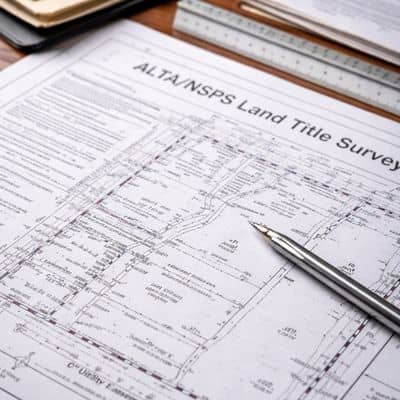
The 2026 update clarified minimum detail requirements and adjusted certification wording. In addition, some optional Table A items now require closer review with the title commitment.
Although these updates seem minor, they affect how surveyors prepare final reports. If your survey does not reference the correct standard, your lender could ask for corrections or an update.
As a result, timing and communication now matter even more.
In the past, some buyers reused recent surveys without much concern. Now, however, lenders may ask for proof that the survey meets the 2026 rules. That small difference can cause major closing stress.
This is where a local surveyor helps protect your deal.
Chattanooga Properties Are Rarely Simple
Chattanooga is not a simple market. The city includes riverfront parcels, hillside lots, older subdivisions, industrial areas, and mixed-use developments.
Because of that, national standards do not stand alone. They must match Hamilton County records, recorded plats, utility easements, and zoning layers.
For example, a property near the Tennessee River may include access easements or floodplain concerns. Meanwhile, a downtown building may sit near shared alleys or older boundary lines.
Therefore, when new ALTA standards take effect, the survey must reflect both updated national rules and local property conditions.
A local surveyor understands how Chattanooga’s land, terrain, and record systems connect to the 2026 changes. That local knowledge helps prevent problems before they begin.
Delays Are Already Happening
Right now, some buyers request “an ALTA survey” without stating the 2026 standard. Later, when the lender reviews the survey, confusion starts.
Then revisions become necessary. After that, the closing date shifts.
Unfortunately, those changes cost time and money.
On the other hand, a local surveyor confirms lender requirements before starting work. That simple step prevents mistakes. It also protects buyers, attorneys, and title companies from last-minute stress.
Because commercial real estate moves quickly, even small delays create bigger problems. Contractors reschedule. Financing deadlines tighten. Tension builds.
However, early planning avoids those risks.
Why Local Knowledge Matters Even More Now
Any licensed survey firm can perform ALTA work. However, not every firm understands Chattanooga’s records, land history, and common title issues.
Out-of-town firms often struggle to:
- Access Hamilton County plats quickly
- Read older subdivision notes
- Spot common easement patterns
- Coordinate smoothly with local title companies
When standards change, firms unfamiliar with local conditions may miss important details.
In contrast, a local surveyor works in this system every day. They know where to find recorded documents. They understand how local growth has shaped property lines. They also communicate directly with nearby lenders and closing teams.
That local experience becomes even more important when national rules change.
Common Mistakes Buyers Are Making
Since the 2026 standards took effect, three common mistakes have appeared.
First, many buyers wait too long to order the survey. However, ALTA surveys take time, especially when title review is involved. Therefore, waiting increases pressure.
Second, some buyers do not send the title commitment early. Without it, the survey may need updates later.
Third, others assume last year’s survey still works. Unfortunately, if it uses old standards, lenders may require changes.
Each mistake adds cost and stress. Meanwhile, a prepared local surveyor prevents these issues from the start.
How a Local Surveyor Protects Your Investment
A skilled local surveyor does more than measure land. They reduce risk.
For example, they confirm which ALTA version your lender requires. They review title documents before field work begins. They identify easements and access concerns early. They also consider terrain and development patterns.
Because they stay current on industry updates, they prepare surveys that meet the 2026 requirements from the beginning.
As a result, your closing stays on track. Your lender feels confident. And your investment stays protected.
Why Acting Early Matters
Chattanooga continues to grow. Industrial projects expand. Mixed-use development moves forward. Investors remain active.
At the same time, survey standards evolve.
Therefore, early planning makes a big difference. Instead of treating the survey as a last step, treat it as an important early move in your transaction.
When you hire a local surveyor, you gain updated knowledge, local experience, and smoother coordination. That combination lowers stress and protects your timeline.
The 2026 ALTA changes may seem technical. However, they directly affect real property deals happening in Chattanooga today.
In this market, the right survey at the right time truly makes all the difference.