When the Mississippi River drops, Memphis feels it right away. Barges can’t carry their usual loads, tow sizes shrink, and the steady flow of cement, steel, and gravel slows down. These are the lifelines of construction in the city. Without them, projects risk delays and budget overruns. This is where geotechnical engineering becomes essential. It’s not just about soil samples or test results—it’s about keeping buildings, roads, and flood protections stable while the river changes.
Why Low River Levels Matter
Every fall, the Mississippi River dips during harvest season. Recently, tow and draft limits near Memphis have cut the loads that barges can move. Instead of hauling full shipments, barges now carry less, which slows down delivery.
For construction crews, that means waiting longer for supplies like aggregates and cement. Costs rise, and project managers scramble to adjust schedules. But the city doesn’t stop building. Subdivisions still expand, roadway projects move forward, and developers continue to invest. That’s why engineers step in—not just to design, but to help the entire construction process adapt.
The Hidden Impact Beneath the Surface
It’s easy to think low water only affects shipping. But river levels also change the ground itself. When water drops, soils along the banks lose pressure support. This can cause settlement, slope movement, and stress on retaining walls.
Picture a jobsite near the river. One month, groundwater sits high, keeping soil moist and dense. A few weeks later, the river falls, the soil dries, and it shrinks. Heavy equipment rolls across it, and cracks begin to show. Foundations may even shift.
Geotechnical engineers study these changes before construction starts. They test soil conditions, monitor river cycles, and predict how the ground will respond. This knowledge helps contractors avoid surprises that could cost time and money later.
The Role of Geotechnical Engineering
So how exactly does geotechnical engineering help during low water conditions?
- Foundation design: Engineers test soil layers to decide if shallow foundations are enough, or if deep piles are safer when groundwater drops.
- Slope stability: Riverbanks, levees, and retaining walls face extra stress when water falls. Engineers assess stability and suggest reinforcements.
- Site access: Dry soil may look safe for heavy trucks, but if compaction is poor, access roads can rut or sink. Engineers check compaction and recommend soil treatments.
- Material staging: Contractors often store fill and aggregate near the river. Engineers evaluate the soil’s load capacity to prevent settlement under heavy piles.
These steps may sound technical, but they directly protect contractors and developers from costly setbacks.
Working Around Barge Delays
Even when materials move slowly, construction doesn’t stop. Instead, teams adjust their schedules. This is where project managers and geotechnical engineers work hand in hand.
For example, if aggregates for a road project are delayed, crews can switch to earthwork. With reliable soil data, they can compact and grade confidently, knowing the ground meets standards. Subdivision teams may also shift toward drainage installation or detention pond design while waiting on deliveries.
This flexibility only works when geotechnical reports guide the decisions. Without that information, shifting phases could lead to rework or long-term problems.
Building Resilient Infrastructure
Low water isn’t rare anymore. Over the past few years, it has returned again and again. That makes long-term resilience planning just as important as short-term problem solving.
Geotechnical engineering provides that forward view. Here’s how it fits into different parts of growth:
- Subdivision engineering: Homes near floodplains face soils that swell and shrink with changing water tables. Engineers recommend grading plans and foundation systems that handle those cycles.
- Stormwater design: Drying soils change how water soaks in. Engineers adjust drainage plans and detention pond sizing to reflect real conditions.
- Roadway design: Pavement strength depends on the subgrade. By studying soil compaction and moisture, engineers guide roadway engineers toward designs that last longer.
Memphis doesn’t just need more construction. It needs construction that can handle both droughts and floods.
What Contractors and Developers Should Do
For contractors and developers, the message is simple: don’t wait until problems appear. Involve geotechnical engineers early. Their reports shape the entire project—grading, foundations, stormwater, and more.
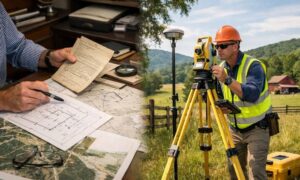
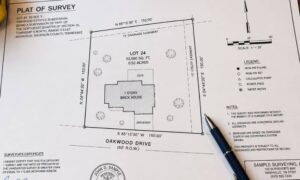
At the same time, keep in contact with suppliers. When river restrictions tighten, schedules must shift. Project managers who work with engineers can identify which tasks to move forward and which ones to delay. In Memphis, that teamwork often includes reliable site survey support, which gives crews the confidence that the ground data is accurate and decisions are based on solid information. That combination keeps projects moving, even during difficult seasons.
A Real Example of Resilience
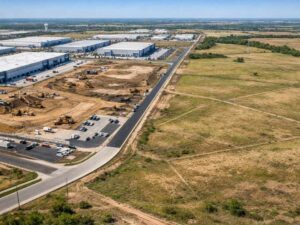
Consider a Memphis contractor building a warehouse near the river. During a low-water year, aggregate shipments were delayed. Instead of halting work, the team focused on drainage installation and compaction. Geotechnical tests confirmed soil density was strong enough to proceed safely.
By adjusting the schedule, the contractor avoided weeks of idle time. When materials finally arrived, the site was ready. This kind of planning—backed by geotechnical engineering—kept the project on budget and ahead of competitors who paused.
Looking Ahead
The Mississippi River will always rise and fall. That’s the natural cycle. But Memphis construction doesn’t need to ride the same waves of uncertainty.
Geotechnical engineering bridges the gap between nature and progress. It gives builders the confidence to keep moving, even when supply chains stall or soils shift. With each report, Memphis builds not just for today, but for decades of resilience.
Conclusion
Low water on the Mississippi River may look like a shipping problem. But for Memphis, it’s also a construction problem. From foundation design to slope stability, the effects reach into every project.
Geotechnical engineering ensures that the city can keep growing, no matter what the river does. It keeps projects steady, schedules flexible, and structures strong.
In the end, the river may fall, but with the right engineering, it will continue to rise.