
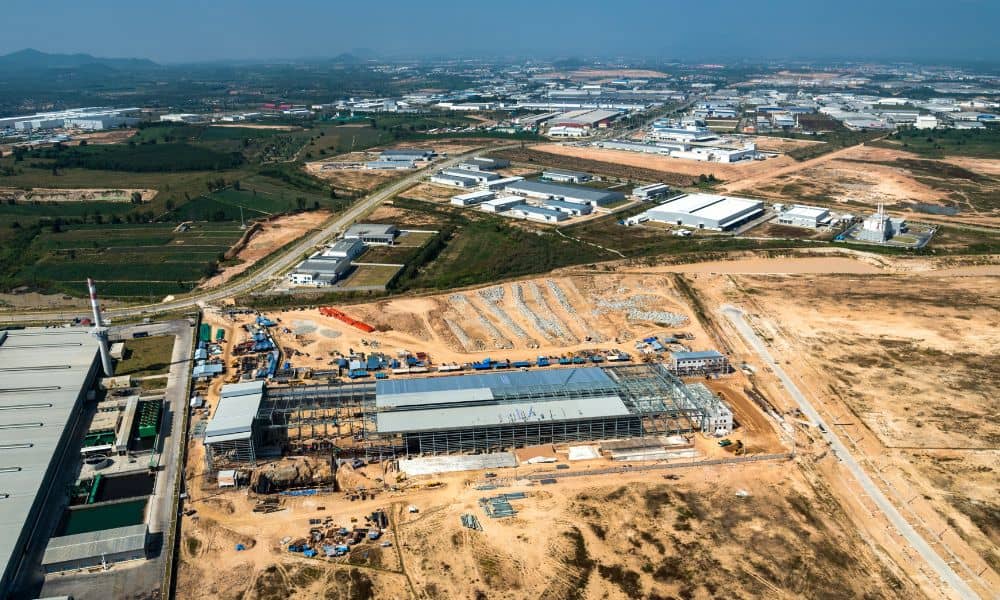
Nashville is growing fast. Recent news makes that clear. A new industrial project near Goodlettsville just received $28.3 million in construction financing. That level of funding shows strong trust in the area’s future. While many people focus on new buildings and jobs, another part of the story matters just as much. Land development is what allows these projects to move forward before construction even begins.
If you own land, plan a business site, or invest near Nashville, this trend affects you. It explains why land development engineering is in high demand. It also shows why planning early can save time and money.
Why industrial financing matters in Nashville
Big industrial loans do not happen by luck. Lenders only approve them when projects look safe and well planned. In Nashville, more financing means steady growth and long-term confidence.
The area also sits near major highways and shipping routes. Because of this, companies see Nashville as a strong place for warehouses and distribution centers. At the same time, more people are moving into the region. This pushes development into nearby areas like Goodlettsville.
Once financing is approved, work must begin quickly. Developers need to understand the land before anything gets built. That is where land development engineering becomes important.
Financing starts land development early
Many people think development starts when construction begins. In reality, land development starts much earlier. Once financing is in place, developers must show that the land can support the project.
Land development engineers study the site closely. They look at slopes, soil, drainage, and access points. They also plan where roads and utilities should go. Without this work, projects often face delays and higher costs.
As industrial projects grow across Nashville, more sites now need engineering help. Because of this, developers who plan early have a better chance of staying on schedule.
Site studies decide if a project can move forward
Every project starts with one main question. Can the land support the plan?
Land development engineering helps answer that question. Engineers check soil strength, grading needs, and flood risks. They also study how trucks and workers will enter and leave the site.
In the Nashville area, this step is very important. The land often has hills and changing soil types. If these issues get ignored, they can cause major problems later. Early land development work helps avoid those surprises.
Grading and utilities shape the site
After site studies, engineers shape the land. Grading prepares the site for buildings, parking, and traffic flow. It also helps control water and protect structures.
Utilities come next. Industrial sites need water, sewer, power, and sometimes gas. Land development engineers design these systems to meet local rules and future needs.
In fast-growing areas around Nashville, utility access can slow projects down. Early planning helps avoid delays and keeps work moving.
Stormwater planning affects approval speed

Stormwater is one of the biggest challenges in land development. Industrial sites often have large paved areas. These surfaces create runoff during rain.
Nashville has clear rules to manage stormwater and protect nearby land. Land development engineering includes drainage and stormwater planning. Engineers design systems that control water flow and reduce erosion.
As more industrial projects get approved, reviewers now look closely at stormwater plans. Strong land development design helps projects move through reviews faster.
Permits link engineering to financing
Financing timelines often move faster than permit reviews. This can put pressure on developers. Land development engineering helps manage this problem.
Engineers prepare site plans, grading plans, and drainage plans for approval. They also respond to comments and make changes when needed. This keeps projects moving and aligned with lender timelines.
In today’s Nashville market, permit timing can decide if a project moves forward or stalls. Early land development planning lowers that risk.
Industrial growth increases demand for engineers
As more industrial projects receive funding, demand for land development engineers keeps rising. Engineering firms get busier, and schedules fill up fast.
For developers, waiting can cause delays and added costs. Early planning helps secure engineering support and keeps timelines realistic. It also reduces last-minute design changes.
Nashville’s growth shows no sign of slowing. As long as financing continues, land development engineering will stay in high demand.
What this means for landowners and investors
If you own land near Nashville, this financing boom may affect your property value. Land that once seemed unused may now attract industrial interest. However, not all land is ready for development.
Land development studies show what land can truly support. They help owners make smart choices before selling or building. They also help investors avoid costly mistakes.
In a growing market, good information leads to better decisions. Land development engineering provides that information.
Planning early leads to better results
The biggest lesson from Nashville’s industrial financing growth is simple. Successful projects plan land development early.
Early engineering keeps schedules realistic and costs under control. It also helps permits move faster and protects financing. Most importantly, it reduces surprises that can stop a project.
As Nashville continues to grow, land development will shape how that growth happens. Those who plan early are better prepared for success.
Final thoughts
The recent industrial financing near Nashville shows more than economic growth. It shows how important land development engineering has become.
Financing may open the door, but land development makes progress possible. In a fast-growing region like Nashville, early planning is no longer optional. It is the foundation for building smarter and with confidence.