
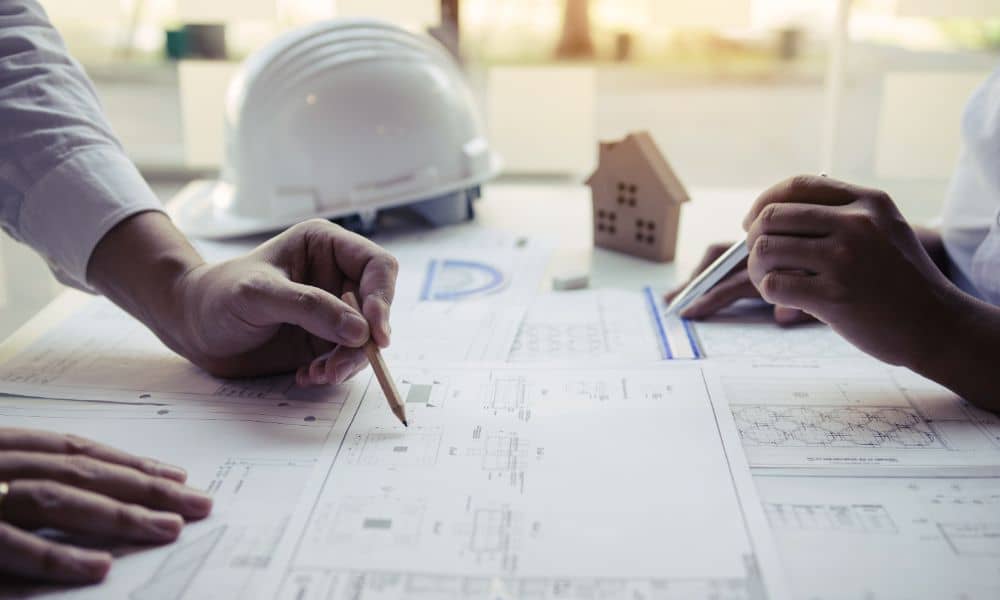
Behind every great-looking home is a structure designed to hold it all together. Structural engineering in residential design makes sure your dream home isn’t just beautiful—it’s also strong, safe, and built to last.
Structural engineering is all about planning the “skeleton” of a house. It takes things like gravity, wind, and even earthquakes into account, then figures out how to build a home that can handle those forces. From the foundation to the roof, structural engineers work with architects and builders to make sure everything is in the right place and works as it should.
Whether you’re a future homeowner or an aspiring architect, knowing the basics of structural engineering helps you make better decisions. You’ll understand what’s possible, what keeps your home safe, and how your choices affect the way your house will perform over time.
The Role of a Structural Engineer in Home Construction
So, what exactly does a structural engineer do?
They’re the person who takes your vision and ensures it can be safely built. While architects focus on aesthetics and layout, structural engineers calculate load paths, material strengths, and environmental stressors. They:
- Determine where beams, columns, and supports need to go
- Analyze how much weight walls and floors must carry
- Work with geotechnical data to assess the ground conditions
- Ensure designs meet local building codes and safety standards
They’re also active during construction—reviewing plans, inspecting the structure, and solving unexpected site challenges. Without their expertise, even the best-looking design could fail under pressure.
Key Principles of Structural Engineering in Residential Design
Let’s break down a few fundamental principles that structural engineers use when designing homes:
1. Load Distribution
A building needs to evenly spread out the weight from the roof, walls, and everything inside. If too much pressure builds in one area, it can lead to cracks or worse—collapse.
2. Structural Stability Under External Forces
Homes don’t just sit still—they face wind, snow, shifting soil, and sometimes even seismic activity. Structural engineers plan for these forces with special reinforcements and techniques.
3. Material Strength and Compatibility
Wood, steel, and concrete all behave differently. Structural engineers choose the right materials for the right job based on their performance under tension, compression, and environmental exposure.
Common Structural Materials in Residential Design
🧱 Concrete
Used for foundations, walls, and floors, concrete offers strong resistance to compression and can be molded into various shapes. Its durability makes it ideal for the base of your home.
🔩 Steel
Known for its strength and flexibility, steel supports long spans and heavy loads—perfect for framing, reinforcements, and areas with earthquake risks.
🌲 Wood
Still a favorite in residential builds, wood is cost-effective and easy to work with. Treated and engineered wood products now offer better moisture and pest resistance.
Bonus: Engineered Materials
Products like LVL (laminated veneer lumber) and OSB (oriented strand board) offer added strength, dimensional stability, and better performance over time compared to traditional lumber.
The Importance of Load-Bearing Structures
Every home relies on key structural elements that carry the building’s weight down to the foundation. These include:
- Load-bearing walls – Critical for supporting upper floors and roofs
- Beams – Span across spaces to carry vertical loads
- Columns – Provide vertical support for heavy points
- Foundations – Distribute loads into the ground
Moving or removing load-bearing elements without proper engineering can lead to serious structural damage. Always consult a professional before making changes.
Innovative Techniques in Modern Residential Engineering
Today’s structural engineers are using innovative tools and techniques to build smarter homes, including:
1. Modular and Prefab Construction
Off-site fabrication of walls, roofs, and sections speeds up construction and ensures better quality control.
2. Advanced Materials
High-performance concrete, fiber-reinforced polymers, and fire-resistant coatings give builders more flexibility and durability.
3. Sustainable Engineering
Eco-conscious designs now include recycled materials, passive heating strategies, solar integration, and green roofs.
Modern structural engineering isn’t just about strength—it’s about smarter, greener design.
Challenges in Structural Home Design
Every building site comes with its own set of challenges. These include:
- Soil conditions and slopes
- Extreme weather exposure
- Unconventional architectural features (like cantilevers or open-concept designs)
- Budget limitations
Structural engineers must get creative—sometimes tweaking layouts, suggesting different materials, or even rethinking parts of the build to ensure everything stays safe and stable.
The Impact of Building Codes and Regulations
Building codes exist for a reason—they protect you, your family, and future occupants. They dictate:
- How strong your home’s foundation must be
- The type of materials used in different zones (like fire zones or earthquake areas)
- Requirements for insulation, wind resistance, and structural safety
Structural engineers stay current with these codes and ensure every design follows local regulations. They often coordinate with building inspectors and zoning officials to keep everything compliant and safe.
Working Together: Engineers, Architects, and Contractors
Building a home is a team effort. The architect brings the vision, the structural engineer makes it buildable, and the contractor brings it to life. Successful projects require:

- Collaborative solutions when challenges arise on site
- Open communication from day one
- Regular design reviews to catch problems early
This teamwork ensures that your home is not only beautiful, but also safe, code-compliant, and built to last.
Future Trends in Residential Structural Engineering
Here’s what’s next in structural engineering in residential design:
🔧 BIM (Building Information Modeling)
This smart 3D software helps teams plan, visualize, and build more efficiently—reducing errors and improving collaboration.
🌱 Green Engineering
Expect to see more homes using recycled materials, smart insulation, and renewable energy systems—all guided by engineering.
🧠 Smart Materials and Automation
From self-healing concrete to robotic bricklayers, the future of construction is fast, efficient, and data-driven.
Build Your Dream Home With Confidence
Whether you’re a homeowner planning a new build or an aspiring architect learning the ropes, understanding structural engineering in residential design is key. It ensures that your home is safe, sturdy, and designed to last.
By working closely with engineers and understanding their role, you’ll make better decisions, avoid costly mistakes, and bring your dream home to life—strong, smart, and ready for the future.