

Memphis keeps growing. New neighborhoods pop up. Empty land turns into rows of homes. City meetings fill up with neighbors who have strong opinions. Some people welcome growth. Others worry about traffic, flooding, and crowded schools. At the heart of these debates sits one thing most people never talk about directly: subdivision engineering.
While zoning boards vote and residents speak, engineers shape what is actually possible on the ground. So if you want to understand why certain projects move forward — and why others get delayed or denied — you need to understand subdivision engineering.
What Is Subdivision Engineering?
Subdivision engineering is the process of turning raw land into buildable lots for homes. It connects planning ideas to real-world construction.
For example, before a developer can build houses, engineers must:
- Design roads and intersections
- Plan drainage systems
- Create grading plans
- Map water and sewer lines
- Run traffic studies
- Prepare stormwater systems
In other words, subdivision engineering makes sure a neighborhood works safely and legally before anyone pours concrete.
Without it, a subdivision is just lines on paper.
Why Memphis Is Seeing More Debate
Memphis and the surrounding Shelby County area continue to expand. Developers want to build new subdivisions in growing corridors. However, residents often push back.
Why?
Because growth brings change.
Some neighborhoods worry about traffic congestion. Others worry about flooding. Still others question whether schools and utilities can handle more homes.
That’s where subdivision engineering becomes the center of the conversation.
When a zoning board reviews a new development, they don’t just look at the number of homes. They look at the engineering reports behind the proposal. Those reports determine whether the land can safely support what’s planned.
So while debates sound political, they often revolve around engineering facts.
Traffic Concerns Start With Engineering
One of the biggest concerns in Memphis growth debates is traffic.
Neighbors often say, “Our roads already feel busy.” That concern makes sense. More homes usually mean more cars.
However, subdivision engineering requires traffic studies before approval. A traffic engineer measures current vehicle counts. Then they estimate how many trips the new subdivision will generate. After that, they recommend road improvements if needed.
For example, engineers might suggest:
- Turning lanes
- Signal upgrades
- Road widening
- New access points
Because of this, traffic decisions don’t rely on guesses. They rely on data.
If a project fails to meet traffic safety standards, the city can require changes before approval. So subdivision engineering protects both new residents and existing ones.
Flooding and Drainage: A Major Memphis Issue
Memphis deals with heavy rainstorms. Certain areas experience flooding when drainage systems can’t handle runoff.
That’s why stormwater design plays a huge role in subdivision engineering.
Engineers must design systems that collect and slow down rainwater. They often include:
- Detention ponds
- Underground drainage pipes
- Proper lot grading
- Erosion control measures
Without these systems, new development could increase flooding in nearby neighborhoods.
During zoning debates, drainage plans often get close review. If the stormwater system looks weak, officials may reject the project.
So when residents raise flooding concerns, subdivision engineering answers with technical solutions.
Infrastructure Capacity Matters
Growth doesn’t just affect roads and water flow. It also affects utilities.
Before approval, engineers check:
- Water line capacity
- Sewer system limits
- Fire access routes
- Street lighting plans
If systems cannot handle more homes, the developer must upgrade them.
This step protects long-term property values. After all, buyers don’t want weak water pressure or overloaded sewer lines.
Because of this, subdivision engineering directly impacts the quality of life in new Memphis neighborhoods.
Zoning and Engineering Work Together
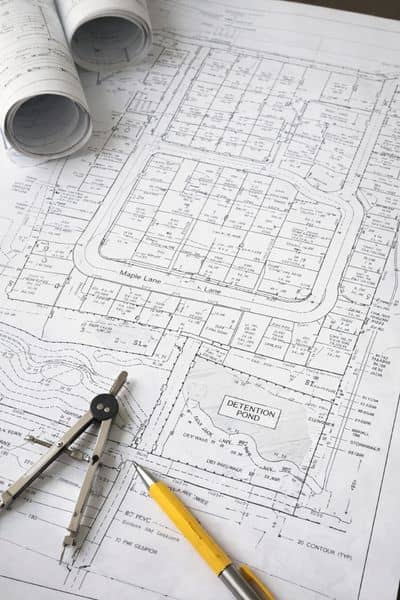
Zoning sets the rules for land use. It decides how many homes can sit on a piece of land. However, subdivision engineering determines whether those homes can function safely.
For example, zoning might allow 100 homes. But if traffic or drainage limits exist, engineering may reduce that number.
This reality surprises many people.
Developers often adjust layout after engineering studies. They may widen setbacks. They may shrink lot counts. They may redesign street patterns.
So while zoning starts the process, subdivision engineering shapes the final result.
Why This Matters to Developers
If you plan to build, early engineering saves time and money.
Too often, developers purchase land based on zoning potential alone. Then they discover soil issues, drainage limits, or unexpected infrastructure costs.
Instead, smart developers slow down at the beginning. They look at the land closely before they draw final lot lines. That usually means bringing in professional land survey services to confirm boundaries, elevations, and existing site conditions. From there, they review flood maps and run preliminary traffic checks so they understand what the property can realistically support.
Because they take those steps early, they avoid costly redesigns later.
Subdivision engineering does not slow projects down. It prevents surprises.
Why This Matters to Homebuyers
Homebuyers rarely think about engineering. However, it affects them more than they realize.
For example:
- Proper drainage protects foundations.
- Good road design reduces accidents.
- Well-planned utilities prevent service problems.
- Thoughtful lot grading keeps water away from homes.
If a subdivision lacks strong engineering, long-term problems often appear.
So when you look at a new Memphis neighborhood, ask questions. Was a traffic study done? How does the stormwater system work? Who handled the engineering?
These questions protect your investment.
The Bigger Picture for Memphis Growth
Memphis stands at a turning point. Growth brings opportunity. It also brings responsibility.
City leaders must balance economic development with safety and livability. Residents want strong neighborhoods. Developers want efficient approvals.
Subdivision engineering sits in the middle of this balance.
It turns growth plans into safe infrastructure. It answers technical concerns with data. It supports responsible land development instead of rushed expansion.
When debates heat up at zoning meetings, remember this: the real work happens in the engineering reports behind the scenes.
Final Thoughts
Subdivision engineering might sound technical, but it shapes everyday life in Memphis. It influences traffic flow. It controls flood risk. It protects utilities. It supports long-term property value.
As Memphis continues to grow, expect more zoning debates. However, behind every discussion lies the same core question:
Can the land handle it?
Subdivision engineering provides that answer.
If you’re planning a development or evaluating land, it helps to have people on your side who understand how Memphis growth really works — not just on paper, but on the ground. An experienced Memphis civil engineering firm can walk you through traffic concerns, drainage challenges, and infrastructure limits before they turn into expensive problems. Smart planning today prevents costly surprises tomorrow — and it keeps Memphis growing the right way.