
If you’ve ever managed a construction project, you already know how one missing line on a site plan can stall everything. Metro Water Services (MWS) reviews every single-lot infill project for stormwater compliance, and even small mistakes—like leaving out a drainage note or missing maintenance documentation—can send your plans back for revision. That means more waiting, more fees, and frustrated clients.
But here’s the good news: you can avoid that cycle. The “One-Pass Site Plan Packet” approach is all about sending your plans once and getting approval the first time. It’s built around Nashville’s exact submittal requirements, not generic templates.
Why Nashville’s Single-Lot Review Trips People Up
Metro Nashville’s residential infill rules sound simple until you’re knee-deep in revisions. For most small developments—new homes, rebuilds, or additions that increase impervious area—you must submit a stormwater-compliant site plan. The city wants to make sure new roofs, driveways, and patios won’t flood neighboring lots or overload the drainage network.
The challenge? Every discipline—civil, structural, landscape, and construction management—touches that plan. If one drawing or document doesn’t match, reviewers flag it.
Typical mistakes include:
- Submitting grading plans that don’t align with drainage arrows.
- Forgetting the stormwater control measure (SCM) maintenance form.
- Omitting the rational method calculations or outlet elevations.
- Uploading PDFs that don’t label “existing” versus “proposed” features clearly.
Each correction adds days to your permit timeline. For contractors on a tight build schedule, that’s costly.
The One-Pass Strategy: How It Works
Think of this method as your project’s flight checklist. Every document in the packet serves a purpose, and if one’s missing, you can’t take off.
Here’s the goal: you submit once, respond once, and build faster.
The One-Pass Packet includes four main parts—your site plan drawings, supporting calculations, a long-term maintenance plan, and a pre-flight quality check.
1. Your Site Plan: The Star of the Packet

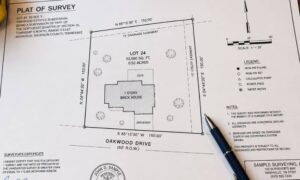
The site plan is more than a map—it’s your project’s story. It tells the reviewer what’s there, what’s changing, and how water will move once the project is done.
For single-lot infill projects, it should include:
- Existing and proposed contours, labeled in one-foot intervals.
- Roof outlines, driveways, and walkways with square footage totals.
- Drainage paths, including direction arrows and outfall points.
- Locations of stormwater controls—like a rain garden, dry well, or permeable driveway.
- Construction entrance and erosion control measures.
If you’re using permeable surfaces or adding underground detention, highlight those clearly. MWS reviewers love when designers show SCMs on both the site plan and the grading sheet—it proves coordination.
Pro tip: Use Nashville’s own Stormwater Management Manual for design references. It lists which practices (rain gardens, bioswales, previous pavement) are accepted locally.
2. Supporting Documents That Make or Break Review
Alongside the drawings, you’ll need documentation that supports your design decisions. These usually include:
- Drainage calculations (rational method or hydrologic modeling).
- Pipe sizing and capacity analysis.
- SCM design sheets (sizing, soil infiltration rate, overflow elevations).
- Erosion and sediment control plan with construction sequencing.
Include a brief cover sheet summary that lists these documents. That one page helps reviewers navigate faster and reduces back-and-forth emails.
And don’t forget the infill capacity fee—some projects trigger stormwater or sewer connection fees. Pay them early so you’re not held up at the end of review.
3. The Long-Term Maintenance Plan (LTMP)
This one often gets missed, but it’s required for every site using SCMs.
Your LTMP shows how each system will be maintained after construction. Nashville wants proof that the property owner understands the upkeep. A simple table works:
SCM TypeLocationMaintenance FrequencyResponsible PartyRain GardenRear yardInspect every 6 monthsHomeownerPermeable DrivewayFrontPressure wash yearlyHOA
Attach this document to your submittal. Once approved, it becomes part of the recorded maintenance agreement.
4. The Pre-Flight QC Checklist
Before you upload anything, take one last sweep. Ask:
- Are the impervious area totals accurate?
- Do contours close properly at property boundaries?
- Are drainage arrows consistent with slopes?
- Are all SCMs labeled and cross-referenced in the maintenance plan?
- Did you include your professional engineer’s stamp (if required)?
- Are erosion control measures shown for each phase of work?
Most resubmittals happen because of small errors like units not matching or missing elevation labels. A 15-minute QC pass can save two weeks of delay.
Going Beyond Compliance
Nashville’s Green Infrastructure Master Plan encourages low-impact design that improves stormwater quality and urban aesthetics. Even if it’s not required, integrating features like street trees or bioswales can help you stand out to clients.
For instance, replacing a standard driveway with previous pavers or adding a small rain garden helps meet detention goals without taking up extra space. These improvements can also boost property value and reduce future drainage complaints—something every construction manager should appreciate.
How Project Managers Can Use This Packet
A smart project manager doesn’t just submit what’s required—they use the packet to sell reliability.
When you show clients a ready-made One-Pass Packet, you prove your team understands local processes and can shorten approval times. Builders trust project managers who communicate clearly with reviewers and anticipate questions before they’re asked.
Use your packet as:
- A pre-construction tool: Review it with clients during design meetings so everyone knows what to expect.
- A marketing asset: Offer “first-pass approval support” as part of your service package.
- A coordination hub: Share it digitally among your civil engineer, architect, and builder to keep drawings consistent.
This small step turns red tape into a smooth runway.
Final Thoughts
Getting your site plan through Metro Nashville’s stormwater review on the first try isn’t luck—it’s preparation. With a complete One-Pass Packet, you’ll spend less time chasing corrections and more time managing your build.
Reviewers want to approve good plans, and when your submission checks every box—clear site plan, solid drainage design, accurate calculations, and maintenance documentation—you make that possible. Sometimes, though, it helps to have an experienced hand guiding you through the process. Working with a local civil engineering team that specializes in professional site plan services can give your project that extra layer of confidence before submission.
So next time you’re preparing a submittal, think beyond compliance. Think efficiency. One packet, one pass, and you’re cleared for construction.