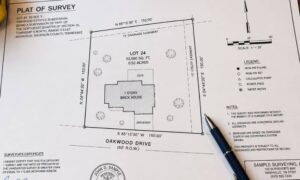
A lot of homeowners in Clarksville get a topographic survey and feel unsure what to do next. The paper shows lines, numbers, and symbols that do not feel connected to building a home. It looks technical at first glance, so it often gets ignored or passed straight to an architect without review.
That creates problems later. The land already tells a story, and the survey is how you read it before any design begins. When you understand it early, you make better choices about where the house should sit and how the site should work.
This is not about engineering work or construction steps. It is about understanding what the land is saying before a home is designed.
What a Topographic Survey Shows in Simple Terms
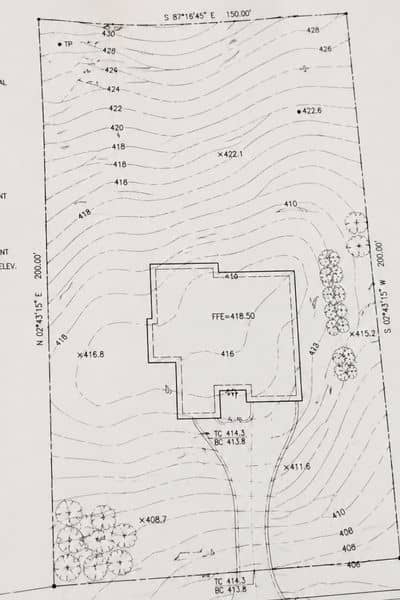
A topographic survey shows the shape of the land. It shows how high or low different areas are and how the ground changes across the property.
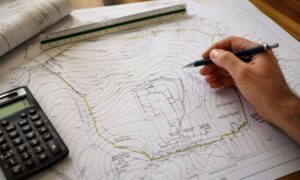
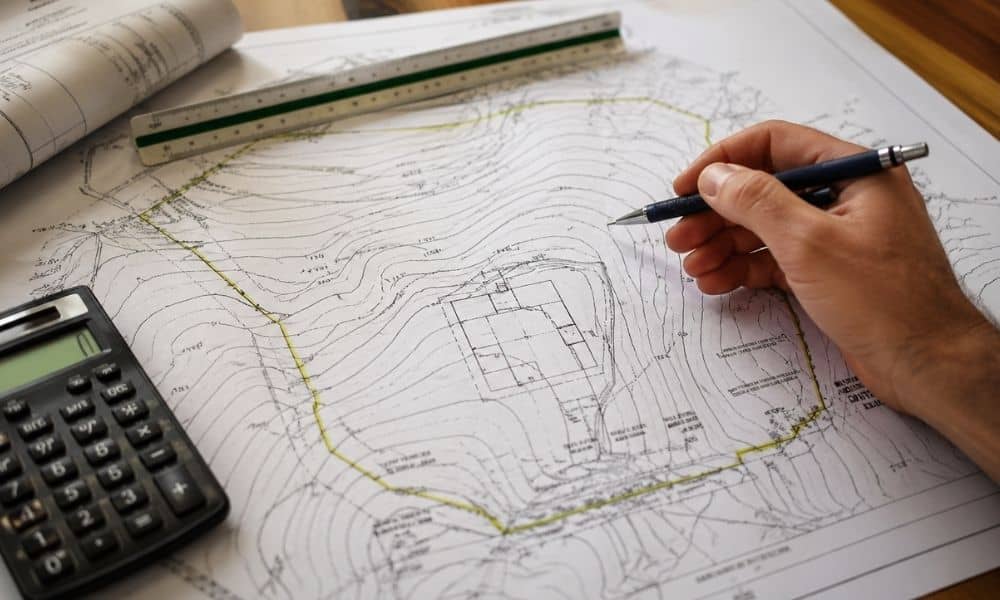
You will usually see contour lines. These lines connect points of the same height. When the lines sit close together, the land changes height quickly. When they sit far apart, the land is more level.
You may also see spot heights. These are exact height points at certain locations. They help show small changes in the ground that are not easy to see by eye.
So the survey is not just a drawing. It is a picture of how the land rises and falls across the lot in Clarksville.
Reading the Shape of the Land Before You Design Anything
Once you understand the lines, the next step is seeing the overall shape of the property. This matters more than most people think.
Some lots in Clarksville feel flat when you stand on them, but the survey shows small slopes in different directions. Those small changes affect where a home fits best.
If one side of the lot rises and the other side drops, the home placement changes. If the land tilts toward the back, the structure may sit better closer to one edge instead of the center.
So instead of thinking about where you want the house to be, start by asking where the land naturally supports it.
The land usually gives a better answer than guesswork.
How Slope Affects Where a Home Can Sit
Slope plays a big role in home design. It shows how steep or flat the ground is.
When slopes are gentle, there is more freedom in design. The house can sit in more than one position. When slopes are stronger, placement becomes more limited.
In Clarksville, many residential areas sit on rolling ground. That means flat space is not always evenly spread across the lot.
Because of that, one part of the property may support a home better than another part. The survey helps you see that before any drawings begin.
So instead of forcing a home onto a spot, you start matching the home to the land.
Finding the Best Place for the House on the Lot
After you understand the shape and slope, the next step is figuring out where a house actually makes sense on the lot.
The best spot is not always the center. It usually ends up being the area where the ground feels more even and steady. That’s where elevation changes are smaller and more gradual, so the layout doesn’t have to fight the land.
This matters because it affects how the home sits once you start thinking about rooms, driveways, and entry flow. If the ground shifts too much under the design, everything becomes harder to line up later.
In Clarksville, a lot of properties have gentle highs and lows instead of one flat surface. Because of that, homes often work better on the more stable, higher areas of the lot where the ground feels more predictable. Over time, you start to see how land shape affects home placement in a real, practical way when you look at how the house fits the ground.
So instead of asking “where should the house go,” it helps to start with a simpler question first: “where does the land actually make this easier?”
How Access and Driveway Direction Come From the Survey
The survey also helps you understand how people will enter the home.
Driveway direction is not random. It usually follows the natural slope of the land. If a driveway fights the slope too much, it becomes harder to design and feels awkward in layout planning.
The survey shows where the land rises and falls toward the street. That helps you see where entry feels smooth instead of forced.
In Clarksville, some lots sit above street level while others sit below it. That difference changes how the entry path should be planned.
So when you read the survey, look at how the land connects to the road. That is where access decisions start.
Mistakes Homeowners Make When Reading the Survey
One common mistake is thinking the land is flat just because it looks flat when standing on it. Small elevation changes are easy to miss without the survey.
Another mistake is focusing only on the center of the lot. Many homeowners assume the house should go in the middle, but the land often does not support that choice.
Some also ignore how the ground shifts direction. Even a slight tilt can affect how a home sits in the long run.
There is also a tendency to pass the survey directly to a designer without looking at it first. That removes the homeowner from early decisions that shape the entire project.
When these mistakes happen, the design often gets revised later.
How to Use the Survey When Talking to a Designer
Once you understand the basics, the survey becomes something you can actually use when you start talking with a designer.
Instead of asking broad questions, you start focusing on how the home really fits the land. You look at where the structure naturally sits based on elevation changes. You also pay attention to which parts of the lot feel easier to work with and support a cleaner layout.
This usually makes the whole design process smoother because there’s less guessing. Everyone is looking at the same site conditions, so decisions don’t feel like guesswork anymore.
In Clarksville, this matters even more since many lots aren’t perfectly flat. When homeowners and designers take time to look at the survey early and understand it properly, the conversations become clearer and more practical, especially after they’ve already gone through reading a topographic survey for home design before making decisions.
Seeing the Land Before the House Exists
A topographic survey is not just a technical document. It is the first clear view of how your home will interact with the land.
Before any design starts, the land already has direction. It already has high points, low points, and natural flow. The survey simply makes that visible.
When you read it properly, you stop guessing where a home should go. Instead, you start working with the land instead of against it.
That shift leads to better design decisions and fewer changes later in the process.
If anything still feels unclear in your survey, it usually helps to have it reviewed before final design decisions are made.