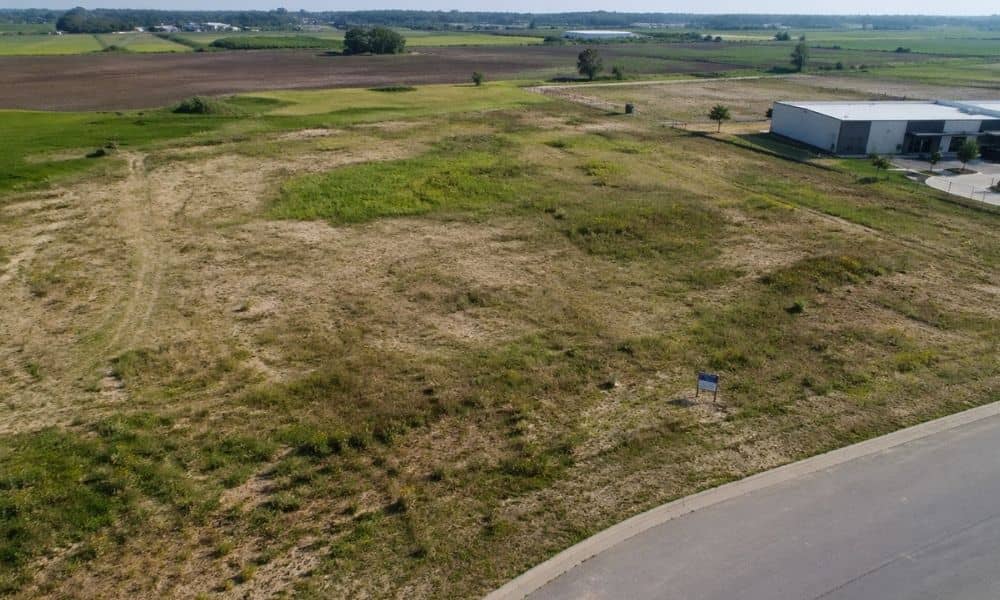
Buying vacant land feels simple. There’s no building to inspect. No tenants to deal with. No roof or structure to worry about. So most buyers assume fewer problems come with it. That idea used to make sense. In 2026, it doesn’t hold up the same way. Vacant land deals now come with risks you can’t see on paper. More buyers close without visiting the site. More listings move online. Some parcels sit untouched for years. Because of that, what the documents show doesn’t always match what’s actually there. That’s when people start looking into an ALTA survey before buying vacant land, just to make sure everything lines up.
Vacant Land Is Getting Riskier, Not Easier
A few years ago, most land deals moved slower. Buyers walked the property. They talked to neighbors. They checked access in person. Today, many deals happen faster.
People buy land from out of state. Some never step foot on the property before closing. Others rely on listing photos and a title report.
That shift changes everything.
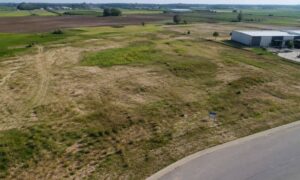
Vacant land is easy to misread. There’s no building to show how the land is used. There’s no driveway to confirm access. There’s no fence line to give a clear boundary. What you see online may not match real conditions on the ground.
In growing areas like Knoxville, this shows up more often. Land moves quickly. Buyers compete. Decisions happen faster. When speed goes up, careful checks tend to drop.
Paperwork Can Look Clean and Still Miss Problems
A title report gives useful information. It shows recorded documents tied to the property. It lists easements, past transfers, and legal notes.
That sounds solid. Still, it has limits.
Title records don’t show how the land looks today. They don’t confirm if someone uses part of the property. They don’t show if access works in real life. They don’t reveal if the boundaries match how the land is actually occupied.
So a buyer may read the paperwork and feel confident. Then problems show up later, often during planning or construction.
That delay is where costs grow.
What an ALTA Survey Shows That Paperwork Doesn’t
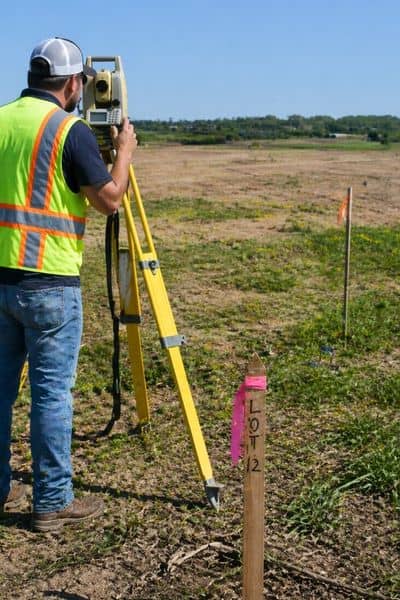
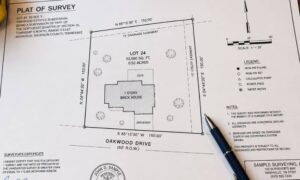
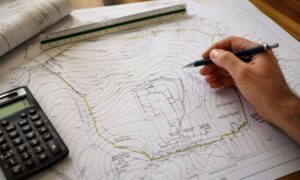
An ALTA survey connects the documents to the real site. It shows what exists on the ground and how it lines up with the title records.
On vacant land, that matters even more.
It can confirm where the true boundaries sit. It can show if access exists in a way you can actually use. It can reveal signs that someone else uses part of the land. It can point out conflicts between what’s recorded and what’s visible.
Those details change decisions.
Without them, buyers move forward based on assumptions. With them, buyers see the full picture before committing money.
Where Vacant Land Deals Go Sideways
Many buyers expect flexibility with empty land. They think they can shape the property however they want once they own it.
Reality tends to push back.
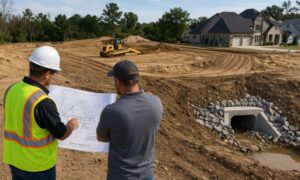
A buyer may plan a building layout, then find out a portion of the land can’t support that design. Another buyer may expect easy access, then learn the route isn’t practical. Some discover that nearby use affects their plans in ways they didn’t expect.
These issues don’t show up during the purchase phase. They appear when the buyer starts planning or building.
By that point, fixing the problem costs more. Sometimes, the project changes. Sometimes, it stops.
Why This Matters More in Knoxville Right Now
Knoxville continues to grow. New development spreads into areas that sat quiet for years. Investors look at vacant land as a chance to get in early.
That creates pressure.
More buyers chase fewer good parcels. Deals move faster. Some skip steps to stay competitive. At the same time, older parcels carry history that isn’t obvious from a quick review.
That mix leads to more surprises.
A careful approach early on protects the project later. It also protects the budget. In a fast market, that matters more than ever.
When an ALTA Survey Makes Sense for Vacant Land
Not every property needs the same level of review. Vacant land often does.
Buyers should think about an ALTA survey before closing on commercial land. It helps when the plan includes development or resale. It makes sense when the property hasn’t been used in a long time. It also helps when more than one party is involved, like lenders or investors.
Each of these situations adds risk. Each one benefits from a clear view of the land before moving forward.
Skipping that step may save time at first. It rarely saves money later.
Empty Land Doesn’t Mean Fewer Problems
Vacant land looks simple. That’s part of the problem.
With no structure to guide expectations, buyers lean on documents and assumptions. In today’s market, that leaves too much unknown.
An ALTA survey gives you a clearer view before you commit. It shows how the property works in real life, not just on paper, so you’re not left guessing. A lot of it just comes down to making sure the land matches what’s on paper before you move forward.
In 2026, that difference matters more than ever.