When the Gay Street Bridge closed and later reopened, many people saw it as a traffic headache. Some saw it as a temporary inconvenience. Engineers saw something very different. They saw a moment where careful decisions mattered more than speed. They saw proof that modern structural engineering is about acting early, not waiting for failure. Most of all, they saw why a structural engineer inspection can protect people, property, and entire communities long before problems become visible.
A Bridge Closure Is About Safety, Not Just Age
It’s easy to assume the bridge had trouble because it’s old. Age does matter, but engineers never rely on age alone. They care about how a structure performs today, not how long it has existed.
Over the years, bridges handle more traffic, more vibration, and more stress from weather. Small changes build up slowly. Because of this, engineers depend on inspections to catch early warning signs that most people would never notice.
That is exactly what happened here. Reviews showed risks that needed action. Once those risks appeared, engineers had to step in before the situation became dangerous.
What Engineers Really Study During an Inspection

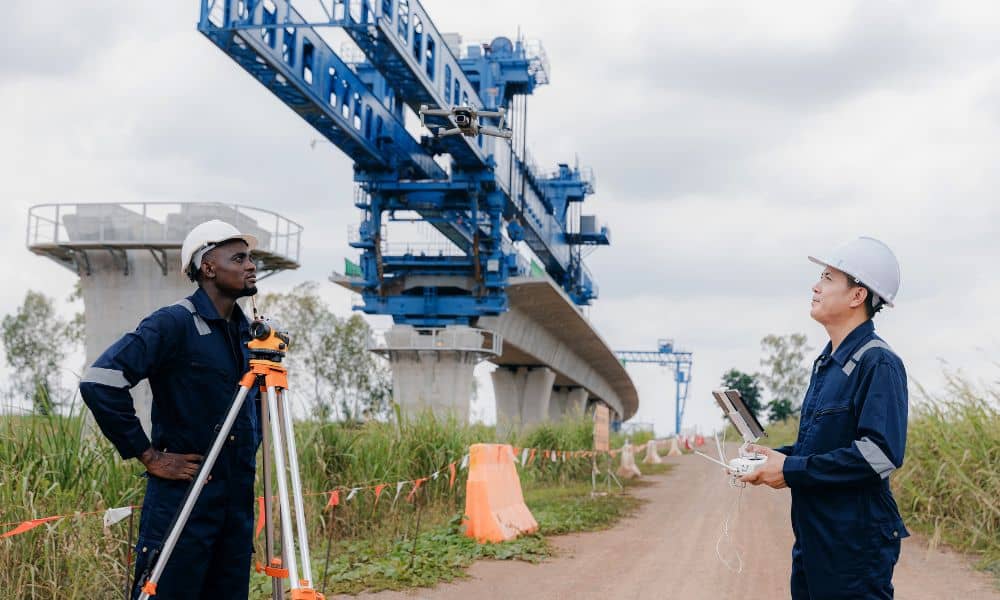
A structural engineer inspection is not just a walk-through. Engineers study how weight moves through the structure. They look for subtle shifts, quiet weaknesses, and early signs of wear that could grow worse over time.
Even when a structure looks fine on the surface, hidden problems can exist. Engineers know that once damage becomes obvious, options become limited. That is why inspections focus on prevention, not reaction.
In the case of the Gay Street Bridge, engineers used this information to guide every next step.
Why Repair Made More Sense Than Replacement
One major decision involved choosing stabilization instead of full replacement. This choice came from careful judgment, not shortcuts.
Replacing a bridge takes years. It costs far more and disrupts daily life across the city. Stabilization, when done correctly, can extend a structure’s life while keeping people safe.
Engineers studied how much strength the bridge still had and how repairs could support long-term use. Because the bridge could continue to perform safely with the right work, stabilization became the smart path forward.
This approach reflects how modern structural engineering manages risk instead of reacting to disaster.
How Public Use Changes Engineering Choices
When the bridge reopened to walkers and cyclists, the work did not end. Public use always changes how a structure behaves.
Foot traffic creates constant movement. Bicycles add vibration. Over time, even light use affects older structures. Engineers account for these factors when deciding how a structure should be repaired and monitored.
The same thinking applies to buildings that change how people use them. A space designed for storage behaves very differently once it becomes open to the public. In both cases, inspections guide safe decisions.
Why Engineers Act Before Emergencies Happen
Many people believe inspections happen after something goes wrong. In reality, inspections exist to prevent emergencies from happening at all.
The Gay Street Bridge did not close because it failed. It closed because engineers saw risks early and acted before those risks turned serious.
Early action matters because emergency repairs cost more, cause greater disruption, and increase safety concerns. Planned solutions allow engineers to protect people without rushing under pressure.
What This Means for Property Owners in Knoxville
Most people do not own bridges, but the same rules apply to many buildings across Knoxville. Parking decks, commercial buildings, and older structures all face similar risks as they age.
A structural engineer inspection can uncover changes caused by renovations, heavier use, or natural wear. When owners wait for visible damage, repair options shrink and costs grow.
Early evaluations give owners control instead of forcing them into urgent decisions.
How One Engineering Decision Affects the City
Structural decisions rarely affect just one structure. When the bridge closed, traffic patterns shifted. Walking routes changed. Nearby businesses felt the impact.
Engineers worked closely with city leaders and contractors to manage these effects. This teamwork shows that modern engineering is not only about calculations. It is also about coordination and communication.
The goal is to keep the city moving safely, even during change.
What Structural Engineering Focuses on Today
The Gay Street Bridge project reflects how engineering priorities have evolved. Today, engineers focus on early evaluations, careful risk management, and extending the life of structures safely.
Instead of waiting for something to break, engineers step in sooner. This approach protects the public and reduces long-term costs.
Good Engineering Works Quietly
Most people never notice good engineering. That is the point. When done right, it prevents problems instead of reacting to them.
A structural engineer inspection is not a formality. It is a decision-making tool that guides safe action before issues grow worse.
The Gay Street Bridge reminds us that modern structural engineering is not about fixing failure. It is about seeing risk early and acting in time.