Starting a construction project in Memphis is exciting. But it can also be overwhelming. Many property owners and developers run into the same problems, delays, unexpected costs, and rejected permits. These issues not only drain your budget but also add unnecessary stress. This is why working with a construction engineer is so valuable. Their role goes far beyond drawings. They help you avoid common mistakes, protect your investment, and keep your project moving.
1. Skipping a Proper Site Evaluation
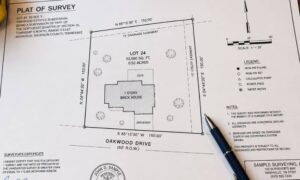
Every property in Memphis is different. Some lots have soft clay soil. Others are close to flood-prone areas near the river. Even older city lots may hide drainage issues that aren’t visible at first. Skipping a thorough site evaluation can leave you with foundation cracks, pooling water, or land that isn’t buildable.
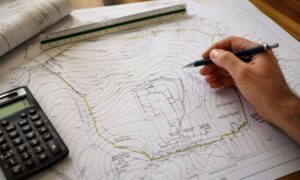
A construction engineer studies the soil, slope, and water flow before work begins. They also check for easements and underground utilities. This early step saves you from costly surprises later.
2. Underestimating Building Codes and Permits
Memphis has strict building codes. What works in Bartlett or Arlington may not pass here. Many developers underestimate how tough the permitting process can be. If your plans don’t meet the city’s standards, you’ll face delays and redesigns.
A construction engineer knows the local codes and prepares plans that meet them. This keeps inspections smooth and approvals on schedule. Instead of waiting months on paperwork, your project keeps moving forward.
3. Poor Drainage and Stormwater Planning
Anyone who lives in Memphis knows how fast storms can roll in. Heavy rain without proper drainage can damage a site, cause flooding, or fail inspection. Many projects fall behind because their stormwater plans don’t meet city requirements.
A construction engineer designs drainage systems that fit both your site and Memphis weather patterns. They make sure runoff is handled correctly and city rules are met. That means fewer risks of water damage and a safer property long term.
4. Overlooking Structural Load Requirements
Every building has to carry weight and more than you might think. Warehouses, homes, and offices all face different stresses. Without careful planning, walls may crack, floors may sag, or foundations may weaken over time.
A construction engineer runs the numbers and ensures the structural design and load requirements are met for real-world use. That means choosing the right materials and making sure every part of your building is built to last.
5. Forgetting About Utility Connections

Utility connections are one of the most overlooked parts of a project. In Memphis, connecting to water, gas, and electricity isn’t always straightforward. Many projects face delays because utility planning was ignored until the last minute.
A construction engineer handles this early. They coordinate with MLGW and city planners so your utilities are in place before work begins. This avoids expensive changes and keeps your project timeline intact.
6. Not Planning for Growth or Expansion
It’s easy to design for today’s needs. But Memphis is a growing city, and your property may need to adapt. Without planning for expansion, you may face zoning challenges, space issues, or costly redesigns in the future.
A construction engineer looks ahead. They create site and grading plans that allow for growth. This gives you flexibility for parking, new structures, or future upgrades without starting from scratch.
7. Waiting Too Long to Bring in a Construction Engineer
The biggest mistake developers make is waiting too long. Often, a construction engineer is called in only after problems appear. By then, fixing the issue costs much more than preventing it.
The smarter approach is to involve a construction engineer from the very beginning. They guide your project from site evaluation to permits and design. This keeps you on budget, on schedule, and out of crisis mode.
Real-World Example in Memphis
Consider a developer building a retail space in East Memphis. They moved forward without a drainage plan. After the first big storm, water covered the site. Construction stopped, permits were delayed, and costs soared.
Now picture the same project with a construction engineer from day one. Drainage was designed, permits were prepared, and utilities were coordinated. The project stayed on schedule and opened as planned.
That’s the value of having the right expert at your side.
Conclusion
Whether you’re remodeling in Midtown, building in Germantown, or developing downtown, the risks are real. The good news is that these seven mistakes are avoidable.
Professional construction engineering can protect your investment, keep your project compliant, and help you plan for the future. By involving engineers early, you avoid setbacks, reduce stress, and build with confidence.
If you’re planning a project in Memphis, don’t wait until problems appear. Partner with a trusted construction engineer from the start, and set your project up for success.