If you own property, chances are you’ve noticed how quickly the land changes from flat streets to rolling hills, creek banks, and steep drop-offs. Because of that terrain, flood questions often come up when people least expect them. One document shows up again and again in those moments: the flood elevation certificate.
Why creek-side and sloped properties raise more questions
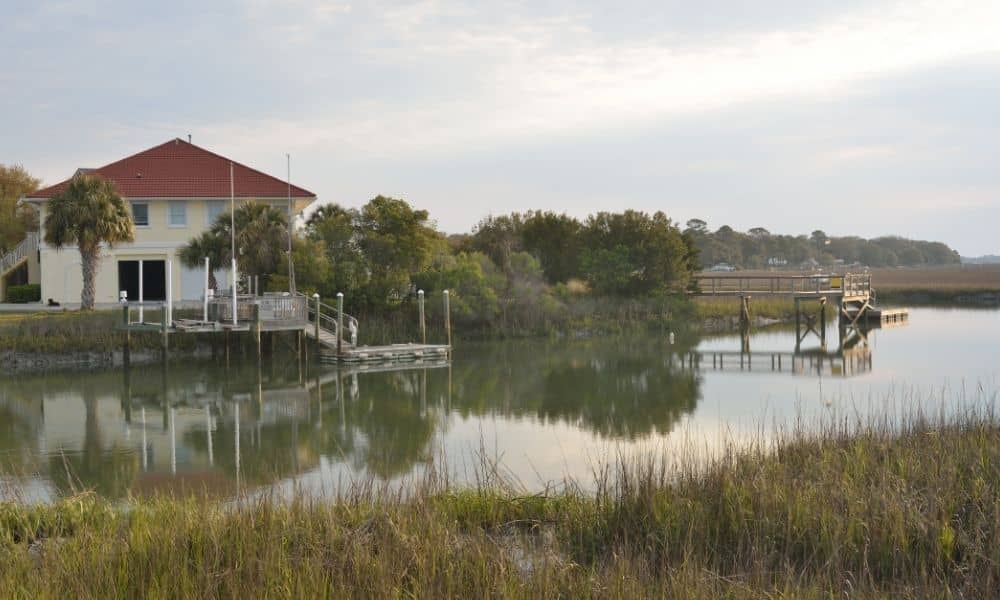
Flat lots are easy to understand. Water spreads out, drains slowly, and risks feel predictable. However, Chattanooga doesn’t work that way in many neighborhoods. Creeks twist through residential areas, and many homes sit above or below nearby roads. Because of that, water doesn’t always behave the way owners expect.
Even when a house has never flooded, lenders, insurers, or buyers may still ask questions. They aren’t accusing the property of being unsafe. Instead, they want proof of how the structure sits compared to the surrounding land. That’s where a flood elevation certificate becomes useful.
In short, these properties don’t look risky at first glance. Yet the land shape makes simple answers harder.
How water really moves on sloped land
Most people picture flooding as water rising straight up. In reality, slope changes everything. Water moves downhill fast, follows shallow paths, and collects in low points that aren’t always obvious.
For example, a house might sit well above a creek. Still, runoff from higher ground can rush toward the foundation during heavy rain. On the other hand, another home closer to the creek might stay dry because it sits on higher ground.
Because of this, distance from water matters less than how the ground directs flow. A flood elevation certificate helps explain that relationship using real measurements, not assumptions.
Why past land changes matter more than people realize
Many lots have been altered over time. Some were cut into hillsides. Others were built up with fill dirt. Driveways may have been raised, or yards regraded to improve drainage. All of that changes how water behaves.
The problem is that these changes aren’t always visible years later. Grass grows back. Landscaping hides slopes. As a result, owners may believe their lot is “natural” when it isn’t.
During a sale or refinance, this history often comes back into focus. A flood elevation certificate helps show how the structure relates to the land as it exists today, not how it looked decades ago.
Relative height matters more than exact numbers
Another common misunderstanding involves elevation numbers. People assume that if their home sits higher than the street, it must be safe. However, elevation works in relation to everything around it.
Nearby features matter. Roads, driveways, neighboring yards, and drainage paths all affect risk. If water can reach the structure from any direction, that raises questions—even if the home looks elevated.
A flood elevation certificate doesn’t just record a single height. Instead, it explains how the structure compares to nearby ground levels. That context often clears up confusion quickly.
Why these questions appear during big life moments
Most owners don’t think about elevation during everyday life. Instead, it shows up during important transitions. Buying a home. Selling one. Refinancing a loan. Planning an addition. These moments invite closer review.
Because of that timing, people often feel blindsided. The request seems sudden. However, the concern usually existed all along. It just wasn’t examined closely until now.
By understanding this pattern, the document feels less like a surprise and more like a tool. It answers questions before they slow down decisions.
Why neighbor comparisons cause more stress than clarity
It’s natural to compare notes with neighbors. Someone down the street didn’t need a certificate. Another neighbor says they did. This mixed feedback creates frustration.
Here’s the issue: two houses can sit feet apart and still have very different elevation relationships. One may slope toward drainage. The other slopes away. One lot may have been filled. The other untouched.
Because of that, neighbor experiences rarely apply cleanly. A flood elevation certificate focuses only on your property. That site-specific clarity removes guesswork and comparison stress.
What a flood elevation certificate actually settles
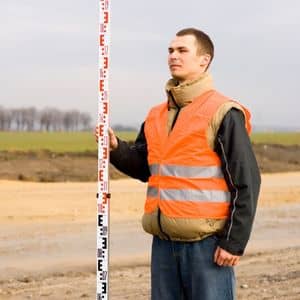
At its core, a flood elevation certificate answers one question: how does this structure sit relative to surrounding ground and expected water levels?
It doesn’t redesign the property. It doesn’t predict storms. Instead, it provides verified data that others can rely on. Lenders, insurers, and buyers all trust that information because it comes from measured conditions.
For owners, this clarity is valuable. It replaces opinions with facts. It explains why concerns exist—or confirms they don’t.
When ordering one makes sense
A flood elevation certificate often makes sense when questions keep coming up without clear answers. If your property sits on a slope, near a creek, or on land that was modified, the document can save time and stress.
It’s also useful when decisions depend on certainty. If you’re moving forward with a transaction or planning work on the property, verified elevation data helps everyone stay aligned.
On the other hand, not every property needs one immediately. Flat, unchanged lots with no pending decisions may not benefit right away. Knowing the difference builds trust and avoids unnecessary steps.
Replacing assumptions with confidence
Land in Chattanooga is beautiful because it isn’t uniform. Hills, valleys, and waterways give neighborhoods character. However, those same features make assumptions risky.
A flood elevation certificate offers clarity without drama. It explains how your property actually sits, using real measurements. That understanding helps owners move forward with confidence, whether they are buying, selling, or simply planning ahead.
In the end, the goal isn’t paperwork. It’s peace of mind. When you know where your property stands, decisions become easier—and surprises become far less likely.