Property lines may look simple on a map. However, history shows they can become very complicated. In fact, one mistake made more than 200 years ago still causes debate today. The long-running border issue between Georgia and Tennessee proves one important lesson: accurate land boundaries matter. More importantly, it shows why a cadastral surveyor plays such an important role in defining property lines.
Although most property owners will never deal with a state border dispute, the same ideas apply to everyday land ownership. In many cases, a small boundary mistake can lead to big problems between neighbors, buyers, and developers. That’s why many people turn to a cadastral surveyor to verify property boundaries when they want to be certain about where their land truly begins and ends.
A 200-Year-Old Boundary Problem
The Georgia–Tennessee border dispute started in the early 1800s. At that time, surveyors worked with tools that were far less accurate than the equipment used today. Their goal was to mark the boundary along the 35th parallel, which was supposed to define the northern edge of Georgia.
However, the line ended up slightly south of where it should have been placed.
At first, the mistake seemed minor. Yet over time, the difference became more important. Some Georgia leaders now claim the border sits about a mile too far south. If the line moved north, Georgia could gain access to water from the Tennessee River.
As a result, lawmakers still bring up the issue today.
Now imagine that. A surveying decision made more than two centuries ago still affects land, water rights, and politics. Today, situations like this remind us why careful boundary work still matters and why property owners often rely on an experienced cadastral surveyor when questions about land ownership come up.
Clearly, boundaries matter.
Why Property Lines Matter More Than People Think
State borders get attention because they affect millions of people. However, smaller property lines cause problems every day.
For example, a homeowner may build a fence based on where they think the boundary sits. Later, a neighbor might question that placement. Suddenly, a simple fence becomes a legal issue.
In other cases, buyers purchase land without confirming the exact boundaries. After construction begins, they discover the building sits partly on another property.
Unfortunately, these situations happen often.
That is exactly where a cadastral surveyor becomes essential.
What a Cadastral Surveyor Actually Does
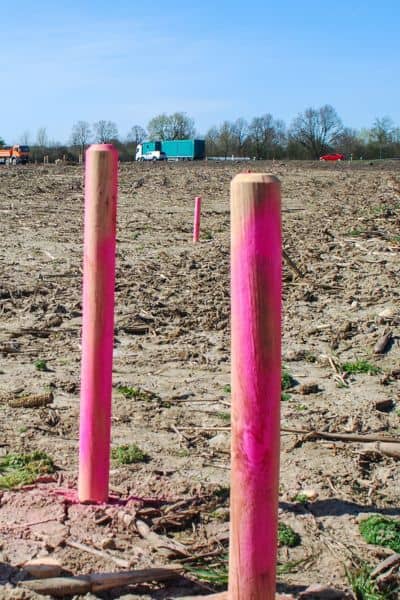
A cadastral surveyor focuses on land ownership boundaries. In simple terms, they determine the exact legal limits of a property.
First, the surveyor studies official records. These records include deeds, plats, and historical surveys. Next, the surveyor examines physical evidence on the land. This evidence might include survey markers, monuments, fences, or old boundary lines.
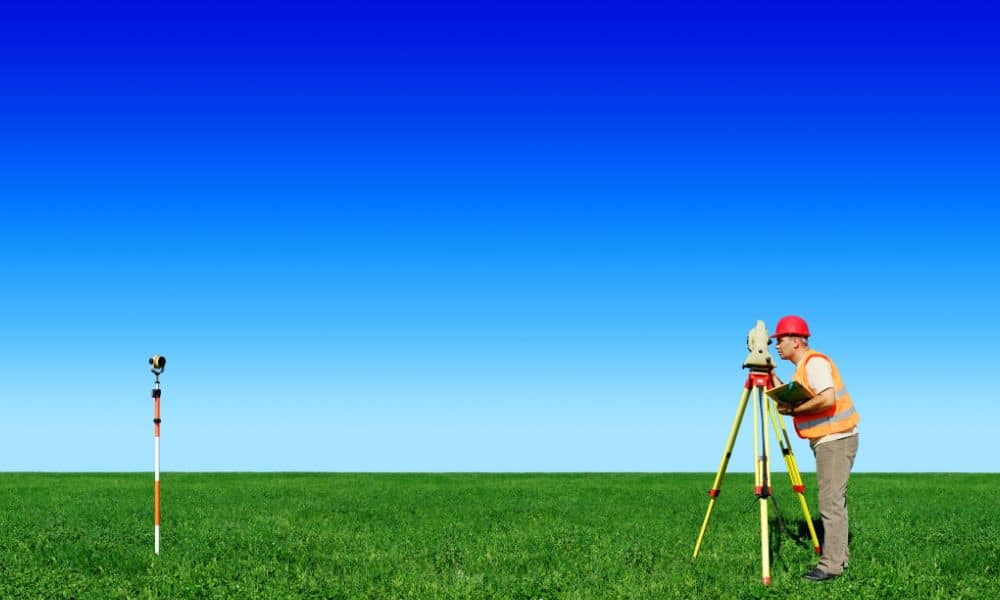
Then, the surveyor measures the property using modern equipment such as GPS and total stations.
Finally, the surveyor confirms where the legal boundary truly sits.
This process may sound simple. However, it requires careful research and precise measurements. Land records often date back many decades, and sometimes centuries. As a result, surveyors must interpret older documents while matching them to modern coordinates.
Because of that work, a cadastral surveyor protects property rights and prevents disputes.
Why Boundary Confusion Happens
Many people assume that online maps show exact property lines. Unfortunately, that assumption causes problems.
Web maps and tax parcel maps provide helpful information. However, they do not show legal boundary locations with full accuracy.
Several issues can create confusion:
Old deeds may describe property using landmarks that no longer exist. Survey markers can disappear due to construction or erosion. Fences may sit in the wrong place for many years. Properties may split into smaller parcels over time.
Therefore, people often rely on guesses rather than verified lines.
In fact, that same kind of uncertainty played a role in the Georgia–Tennessee border problem. Early surveyors worked with limited tools, so their measurements could drift over long distances.
Today, surveyors avoid those issues by using advanced technology and detailed record research.
Real Situations Where Property Lines Become Important
Boundary issues rarely appear during everyday life. However, they often surface during important moments.
For example, someone may install a new fence. A neighbor might say the fence crosses the property line. Suddenly, both sides want proof.
Another situation happens during a home sale. A buyer may request confirmation of the property boundaries before closing the deal.
Construction projects also create questions. Builders must know the exact boundary before placing driveways, garages, or additions.
Even tree damage can cause disputes. If a tree falls between two properties, both sides may argue about responsibility.
In each of these cases, a cadastral surveyor provides the clear answer.
Why Waiting Can Create Bigger Problems
Many property owners delay hiring a surveyor. They assume their boundaries are correct because no one has questioned them yet.
However, problems often appear when the stakes increase.
For instance, a property sale may require a boundary confirmation. If the lines turn out wrong, the closing process may stall.
Construction may also face delays if buildings cross setbacks or property limits.
In the worst cases, owners must remove fences, sheds, or driveways that sit on another property.
These situations cost time and money. Yet they often start with one simple issue: an unverified boundary.
Therefore, confirming boundaries early can prevent major headaches later.
The Lesson From the Border Dispute
The Georgia–Tennessee border story may sound unusual. However, it highlights an important truth about land ownership.
Boundaries last a long time.
Once survey lines enter legal records, they affect property rights for generations. Even a small measurement difference can carry long-term consequences.
That is why professional surveys matter.
Modern surveyors combine technology, historical records, and field evidence to determine accurate property lines. Their work protects owners, neighbors, and future buyers.
So while most people will never deal with a state border conflict, they still benefit from the same principle.
Clear boundaries create peace of mind.
Final Thoughts
Land ownership depends on one simple idea: knowing exactly where your property begins and ends. Yet history shows that boundaries can become complicated if they are not measured correctly.
The Georgia–Tennessee border dispute proves how long boundary decisions can last. A small surveying difference made centuries ago still affects discussions today.
Fortunately, property owners do not need to rely on guesswork.
A cadastral surveyor provides the professional expertise needed to define property boundaries accurately. Whether someone plans to build, buy, or divide land, a proper survey ensures that everyone understands where the lines truly sit.
In the end, clear boundaries protect both property rights and neighbor relationships.