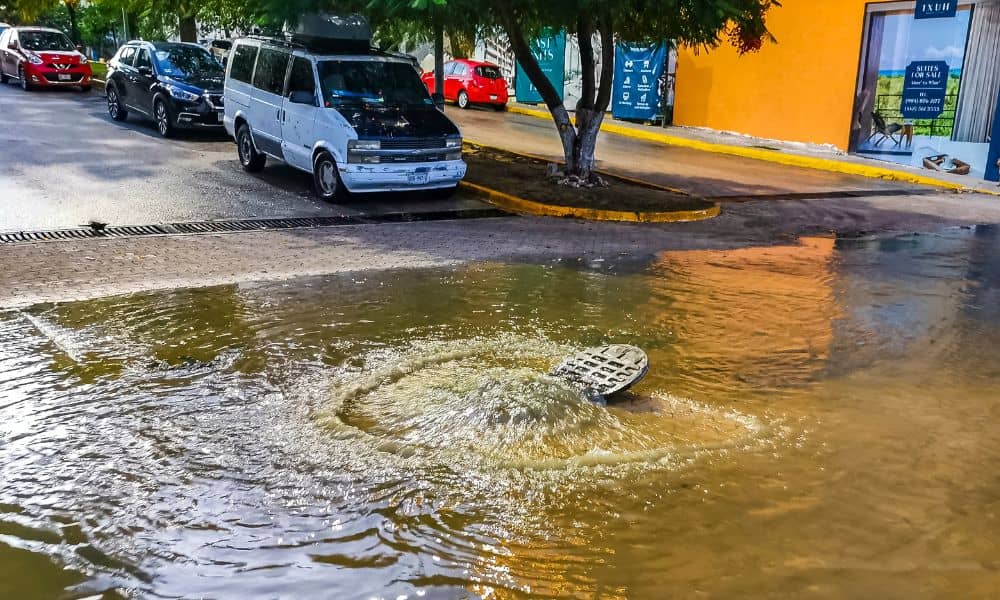
A water main broke near the Tennessee State Capitol in Nashville, sending water spilling across the streets, stopping traffic, and slowing businesses nearby. At first, it looked like a sudden accident. But in reality, these things usually start long before anyone notices. Small stresses build over time, quietly weakening the system. That’s where civil engineering comes into play. Good engineers spend a lot of time on careful planning and design, thinking through how everything will hold up so problems like this don’t spiral out of control.
Even if your property isn’t downtown, the lesson is the same: what seems sudden often has deeper roots, and understanding the risks early can make all the difference.
It Wasn’t Just a Broken Pipe
When people hear about a water main break, they often think the pipe simply failed. However, the story usually goes much deeper.
Over time, underground pipes deal with pressure, soil movement, and weight from traffic above. At first, these changes seem small. But little by little, stress builds inside the system.
Eventually, the pipe reaches a breaking point.
So while the break feels sudden, the risk has been there for years. That is why civil engineering focuses on long-term performance instead of quick fixes.
What Happens Underground Matters More Than You Think
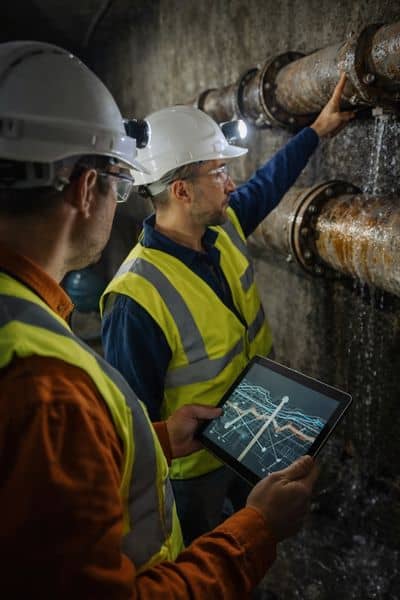
Most people notice what’s above ground—roads, buildings, and sidewalks. But a lot of the important work happens below the surface. Engineers need to understand how water lines, soil, and other structures interact, and using subsurface mapping helps them see what’s going on underground. It’s the kind of insight that can catch small problems before they turn into big headaches. Even tiny design choices can have long-term effects, and if something is missed early, it often doesn’t show up until it’s too late. That’s why paying attention to what’s beneath the surface is such a critical part of civil engineering.
Why This Affects More Than Just the City
It’s easy to assume this type of issue only affects public infrastructure. However, private projects often feel the impact as well.
Even if your property looks fine, it still connects to a larger system. Roads, drainage, and utilities all link together. Because of that, a problem in one area can affect another.
For example, a nearby failure can slow down construction. It can also force design changes or cause delays. In some cases, it can even increase costs.
So while the issue may start underground, the effects show up in your project.
Risk Often Starts Before Construction Begins
Many problems don’t begin during construction. Instead, they start much earlier—during planning.
At that stage, it’s easy to assume everything will work as expected. However, real conditions can be very different. Soil may behave in ways no one expected. Older systems may not handle new demand.
Because of this, early decisions matter a lot. If risks are not considered at the start, they can grow over time.
This is one reason why civil engineering plays such an important role from day one.
Growing Cities Face Greater Pressure
Nashville continues to grow fast. New homes, new buildings, and new roads keep coming. While that growth is exciting, it also puts more pressure on existing systems.
Older infrastructure now supports more people and more activity than before. At the same time, space for upgrades becomes limited.
Because of this, systems that once worked well may start to struggle. Over time, weak points begin to show.
That’s why growing cities often see more issues like water main breaks.
What This Means for Your Project
If you’re planning a project, this situation matters more than it seems.
Even when a site looks ready, hidden risks can still exist. A project may move forward without any clear warning signs. Then, later on, problems appear.
Delays can happen. Costs can rise. Plans may need to change.
However, these issues often connect back to things no one saw early on.
That’s why it’s important to think beyond what is visible. A strong plan considers not only the site itself but also everything around it.
Civil Engineering Is About Preventing Problems
Many people think civil engineering is only about designing and building. However, it also plays a big role in preventing problems before they happen.
Engineers study how systems connect. They look at how conditions may change over time. They also consider how new development affects existing infrastructure.
Because of this, they can identify risks early. Instead of reacting to failures, they help reduce the chance of them happening at all.
This approach protects not just the project, but also the people who depend on it.
The Real Lesson Behind the Nashville Water Main Break
The water main break in Nashville did not start the day it happened. It was the result of years of change, pressure, and hidden stress.
That’s the key lesson.
What we see on the surface often reflects what’s happening below.
So whether you’re planning a home, a commercial space, or a larger development, one thing is clear—civil engineering is not just about building. It’s about understanding risk and making smarter decisions early.
And in the long run, that makes all the difference.