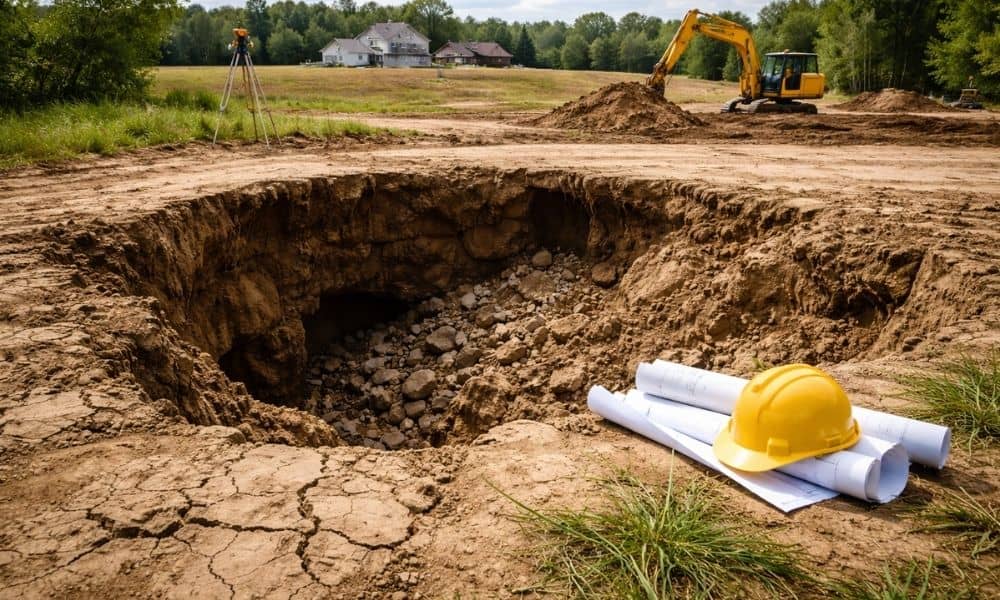
At first glance, a piece of land in Knoxville can look perfect. It may seem flat, dry, and ready for a new home or building. Because of that, many people feel confident moving forward with land development right away. However, what you see on the surface does not always tell the full story, which is something that often comes up during land development planning.
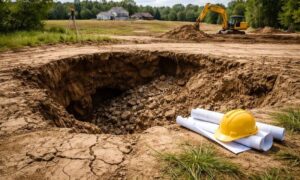
In Knoxville, the ground below can change everything. Some properties sit on soil that hides weak spots or underground gaps. These are often linked to sinkholes. While they are not always easy to spot, they can affect your project in a big way if you miss them early.
So before you move forward, it helps to understand what these risks look like and how they can shape your plans.
Why Some Land in Knoxville Is Different
Knoxville has a mix of soil and rock below the surface. In some areas, water moves through the ground in ways you cannot see. Over time, this movement can create empty spaces under the soil.
Because of that, one lot may feel solid, while another nearby lot may not. Even if both look the same on top, they can behave very differently once work begins.
At the same time, Knoxville continues to grow. More homes, roads, and buildings are going up every year. As a result, builders and property owners start using land that was once left alone. This means more projects now sit on ground that needs a closer look.
Why Sinkhole Risk Is Easy to Miss
Many people expect a sinkhole to be obvious. They picture a large hole or a deep drop in the ground. However, that is not always the case.
Sometimes, the signs are small. You may see slight dips in the soil. You may notice water pooling in odd spots. Or the ground may feel uneven in certain areas.
Even then, these signs can be easy to ignore. For example, past grading work may hide them. In other cases, grass and landscaping can make the surface look smooth and stable.
Because of this, people often assume the land is ready for land development when it is not.
How Sinkholes Affect Land Development Plans
Once land development begins, hidden ground issues can quickly show up. At that point, plans may need to change.
First, the layout of your project may shift. You may need to move a building to a safer area of the lot. In some cases, parts of the land may not be usable at all.
Next, drainage becomes harder to manage. Water may not flow the way you expect. Instead, it may collect in certain spots or move underground in ways that are hard to control.
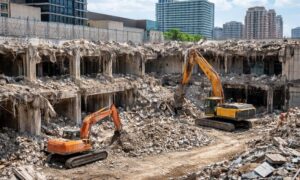
Then, grading work can become more complex. Crews may need to adjust how they shape the land. This can take more time and effort than planned.
As a result, what started as a simple project can turn into something more challenging.
What Happens When Problems Show Up Late
Timing matters in land development. When sinkhole risk shows up late, it can slow everything down.
For example, you may already have plans in place. You may even be ready to build. Then, new site conditions force you to rethink those plans.
Because of that, you may need to bring in more experts. You may need extra testing or changes to the design. This can push your timeline back.
At the same time, costs can rise. Fixing a problem early is often easier. Fixing it later usually takes more work.
So while the issue may start small, it can grow quickly if it is not handled early.
What to Look for Before You Move Forward
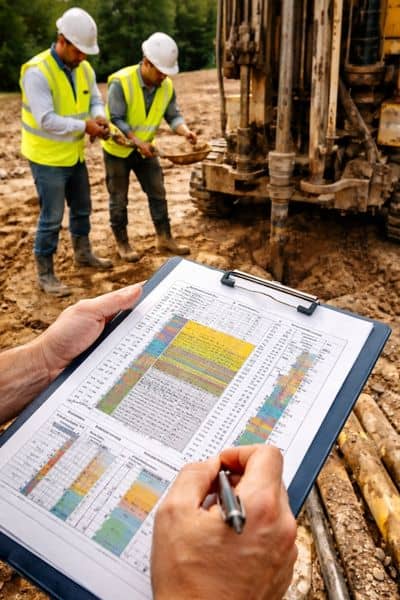
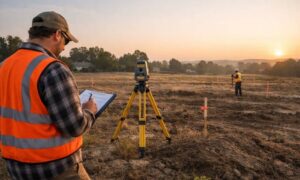
Before you start any land development, it’s a good idea to spend some time getting to know the property. Taking a closer look can uncover things that aren’t obvious at first, like small dips in the ground or areas where water collects in unexpected ways.
Pay attention to the shape of the land and how it drains. If water pools in one spot or disappears unusually fast, that could be a sign of hidden issues below the surface. It also helps to understand the property’s history—land that’s been filled or altered over time can behave differently than it looks.
Even though these signs don’t automatically mean there’s a sinkhole, noticing them early can save a lot of headaches later. That’s why it helps to check the land before development, so you know what you’re really working with before making big decisions.
Why Early Planning Makes a Big Difference
Good planning can save time, money, and stress. When you understand the land early, you can make better choices from the start.
For example, you can place buildings where the ground is more stable. You can plan drainage in a way that fits the site. You can avoid areas that may cause trouble later.
In contrast, guessing or rushing into land development often leads to changes down the road.
That is why early site review matters. It gives you a clear picture before major decisions are made.
Why This Matters More in Knoxville Today
Knoxville is growing fast. New projects are happening across the area. Because of that, more land is being used for development than ever before.
However, not all land is equal. Some properties need more attention before they are ready to build on.
At the same time, buyers and developers want projects to move quickly. That can lead to missed details if the site is not reviewed carefully.
So today, more than ever, it pays to slow down at the start and understand the land fully.
Final Thoughts
Land development offers many great opportunities. The area continues to expand, and there is strong demand for new homes and buildings.
Still, hidden risks like sinkholes can change the path of a project if they are not found early.
That is why it is important to look beyond the surface. A property that seems simple may need a closer look before work begins.
In the end, smart land development starts with knowing the ground you are building on. When you take that step first, you set your project up for fewer surprises and better results.