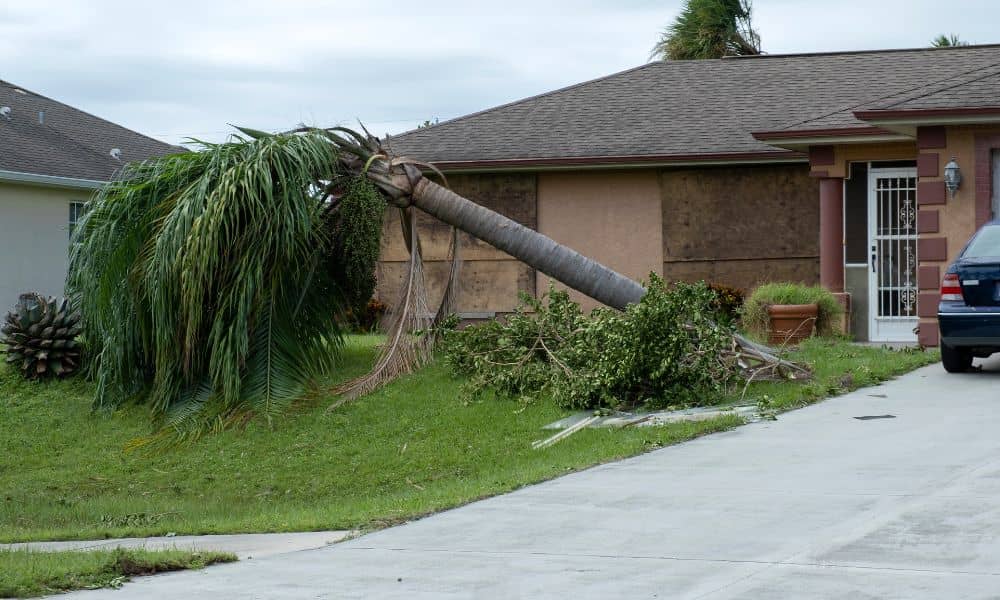
After a strong storm hits Clarksville, the cleanup starts fast. Fences fall over. Trees snap. Yards look very different overnight. So, many homeowners ask the same question: “Can I just rebuild everything where it was before?” At first, that sounds simple. However, after storm damage, what looked right before may not be right at all. Before putting anything back, it helps to check your property lines first so you know everything goes back in the right place and in many cases, that’s where a boundary survey comes in.
When the Storm Clears, Your Property Looks Different
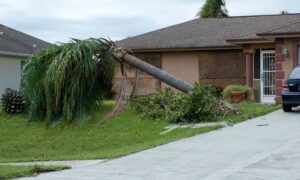
After heavy wind and rain, your yard can lose its familiar shape. For example, a fence that once showed your property edge may be gone. A large tree that marked the corner might be cut down. Even grass lines and landscaping can disappear.
Because of that, you lose the visual guides you once trusted.
At first, you may feel confident about where your property lines are. After all, you’ve lived there for years. Still, once those markers vanish, you no longer have a clear reference.
So, if you rebuild based on memory alone, you might place things in the wrong spot without even knowing it.
Rebuilding Is Not the Same as Repairing
Next, it’s important to understand this: rebuilding after a storm isn’t just a quick fix. In many cases, you’re starting fresh.
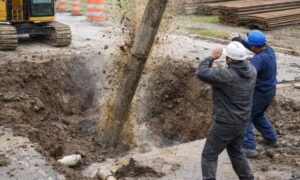
For example, when you replace a fence, you’re not just patching it—you’re putting in new posts, new panels, and lining everything up again. The same goes for sheds, driveways, or any other features near your property line. Small changes can happen without you even noticing. Even moving a fence by just a few inches can create problems later, especially if it stays there for years.
That’s why many homeowners find it helpful to get a boundary survey first. It gives you a clear picture of exactly where your property lines are, so you can rebuild fences, sheds, and driveways in the right spot from the start. Doing this makes the project feel less stressful and helps avoid surprises down the road.
Where a Boundary Survey Comes In
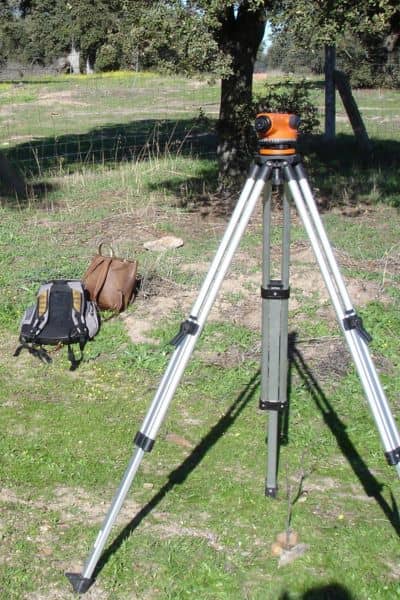
This is where a boundary survey becomes important.
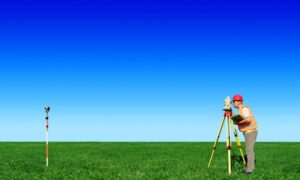
A boundary survey shows the exact legal lines of your property. It also marks the corners and edges with clear, accurate points.
So instead of guessing, you know exactly where your land begins and ends.
After a storm, this helps in several ways. First, it gives you a clean starting point. Second, it helps your contractor place new structures correctly. Third, it gives you peace of mind that everything sits in the right place.
In simple terms, a boundary survey replaces lost visual markers with verified ones.
Common Projects After a Storm
In Clarksville, many homeowners take on repair projects soon after a storm. However, some of these projects involve areas close to property lines.
Here are a few examples:
- Replacing a damaged fence
- Installing a new privacy fence
- Rebuilding a shed or small structure
- Clearing fallen trees near the edge of the yard
- Fixing areas where water changed the ground level
Before starting any of these, it’s smart to confirm your boundaries.
For example, when you install a new fence, you want it in the correct position from the start. That way, you avoid having to move it later.
Likewise, if you rebuild a shed, you want to make sure it sits fully within your property.
Why This Matters in Clarksville Right Now
Clarksville has seen strong storms, heavy rain, and high winds in recent years. Because of that, many properties deal with damage more than once.
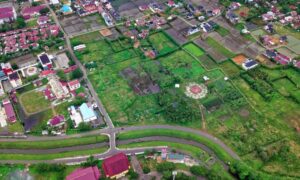
At the same time, the area has a mix of older homes and newer developments. Some lots have clear markers, while others rely more on fences or landscaping.
So, when a storm removes those features, the property lines can become harder to see.
In addition, stormwater can change how the land looks. For instance, water can shift soil, flatten edges, or create new low spots. As a result, the yard may not match its original shape.
Because of these local factors, taking a careful approach after a storm makes sense.
Don’t Rely on Memory or Online Maps
At this point, some homeowners turn to online maps. Others trust their memory of where things used to be.
However, both options have limits.
Online maps are helpful for a quick look. Still, they are not exact. They do not show precise legal boundaries.
Memory can also be tricky. Over time, it’s easy to forget small details or rely on features that are no longer there.
So, instead of guessing, it’s better to use a method that gives you clear and accurate results.
That’s exactly what a boundary survey provides.
The Right Time to Get a Boundary Survey
Timing matters when it comes to rebuilding.
Ideally, you should schedule a boundary survey after cleanup but before any major construction begins.
For example, once debris is cleared and the area is safe, you can bring in a surveyor. Then, with clear markers in place, your contractor can begin work with confidence.
This order helps everything go smoothly. It also prevents the need to redo work later.
In contrast, if you skip this step and build first, you may face delays if adjustments are needed.
Working With a Local Surveyor in Clarksville
Choosing a local professional can make the process easier.
A surveyor familiar with Clarksville understands the mix of property types, lot sizes, and neighborhood layouts. Because of that, they can work efficiently and provide accurate results.
In addition, local experience helps when dealing with storm-related changes. The surveyor knows what to look for and how to handle altered ground conditions.
So, if your property was affected by a recent storm, reaching out to a licensed surveyor is a smart move.
Final Thoughts
After a storm, your property may not look the same. Fences disappear, trees fall, and familiar lines fade away.
Because of that, rebuilding based on memory alone can lead to problems.
Instead, a boundary survey gives you clear, reliable information. It helps you rebuild with confidence and ensures that everything sits in the right place.
So before you start putting things back together, take a step back.
Make sure you’re building in the right spot—not just where it used to be.