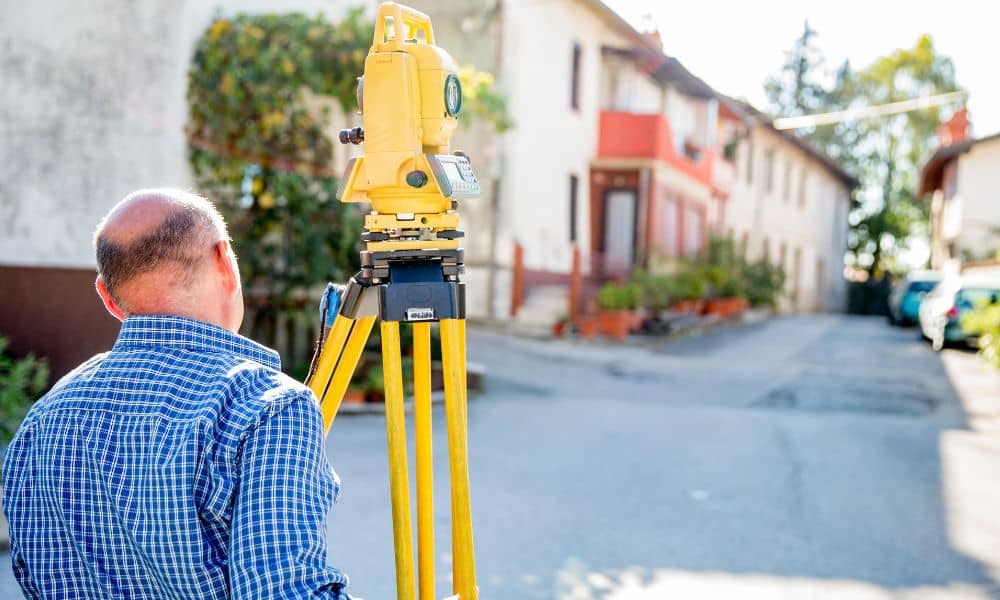
After a big storm hits Knoxville, most homeowners focus on the obvious things first. They check the roof, look for leaks, and clear fallen branches. However, many don’t realize that another type of inspection often starts quietly in the background. Lenders and insurance companies begin property risk reviews — and those reviews often start with an elevation certificate.
This surprises a lot of people. The storm passes, the house looks fine, and then a letter or email shows up asking for elevation documents. So what’s going on?
Storm Damage Isn’t the Only Trigger for Property Reviews
Most people think reviews only happen when a home floods. That’s not always true. In fact, many post-storm checks happen even when no damage appears.
After strong weather events, insurance carriers and lenders run regional risk updates. In other words, they review groups of properties in affected areas, not just damaged homes. Knoxville storm events — especially those with heavy rain, fast runoff, or river rise — often trigger these batch reviews.
As a result, your property might get flagged simply because of location, not loss.
Therefore, companies don’t wait for visible damage. Instead, they check records, models, and elevation data.
That’s where an elevation certificate enters the picture.
What Happens Behind the Scenes After a Major Knoxville Storm

Most of this activity happens out of public view. Still, it affects real transactions and insurance files every day.
For example, after a large storm:
- Insurance companies rerun flood risk scoring models
- Mortgage lenders review loan portfolios in impacted ZIP codes
- Flood determination vendors refresh mapping layers
- Underwriters re-check pending refinance files
- Closing departments re-verify flood documentation
Meanwhile, automated systems flag properties that sit near flood zones, drainage corridors, or updated runoff paths.
Notice something important here: these systems rely on data, not guesses. When the data looks uncertain, reviewers ask for proof. That proof often comes from an elevation certificate.
Why Some Homes Get Flagged Even If They Never Flooded
This part frustrates many owners. “My property never flooded — why are they asking me for this?”
The answer sits in how risk models work.
First, reviewers screen by area, not by personal history. If your neighborhood falls inside a review zone, your file may get flagged automatically.
Second, storm runoff changes how water moves across land. After heavy rainfall, analysts update watershed and drainage behavior models. Those updates sometimes shift risk boundaries slightly.
Third, automated reviews don’t see your yard. They only see mapped layers and elevation assumptions. Therefore, when uncertainty appears, reviewers request measured elevation data.
An elevation certificate removes that uncertainty quickly.
The Most Common Post-Storm Requests Homeowners Receive
After Knoxville storm events, property owners often receive similar requests. These usually connect to money decisions, not building permits.
For instance, you might see:
Lender documentation requests A bank may ask for an elevation certificate during a refinance or loan review.
Insurance rating verification An insurer may want elevation data to confirm your flood premium level.
Closing condition updates A buyer’s lender may pause closing until elevation documentation arrives.
Underwriting follow-ups Refinance files sometimes move from “approved” to “conditional” after regional storm reviews.
In each case, the goal stays the same: verify the structure’s height compared to flood reference levels.
Why Timing Matters More Than Homeowners Expect
Here’s where stress often builds. These requests rarely come at a relaxed time. Instead, they show up during a refinance, a sale, or a loan update.
At the same time, survey demand increases after storms. Many property owners receive similar notices within weeks. Consequently, survey schedules fill fast.
If you wait too long, turnaround times stretch. That delay can affect:
- loan approvals
- closing dates
- insurance renewals
- refinance rate locks
Therefore, early action helps protect your timeline.
Check for an Existing Elevation Certificate Before Ordering a New One
Fortunately, not every request means you must start from scratch. Many properties already have an elevation certificate on file — owners just don’t know it.
Before ordering a new survey, check these places:
Your closing documents from purchase Builder completion packages Prior survey reports Title company attachments Past insurance files
Sometimes a valid certificate already exists and still meets lender or insurer rules. That saves both time and money.
When an Existing Elevation Certificate Still Works — and When It Doesn’t
Even when you find a prior certificate, acceptance depends on a few factors.
Usually acceptable:
- No structural changes
- No foundation height changes
- No major grading work
- No additions or raised floors
Usually not acceptable:
- Home additions
- Fill added around foundation
- New garage or enclosure
- Foundation modifications
Additionally, some lenders set freshness limits. They may require a more recent elevation certificate even if nothing changed physically.
Therefore, always confirm acceptance before relying on an older document.
Why Survey Backlogs Happen After Regional Storm Events
Post-storm demand creates a predictable pattern. First comes the weather event. Then come the documentation waves.
Surveyors suddenly receive more requests for elevation certificates, boundary checks, and flood-related measurements. Since field work takes time, schedules tighten quickly.
Moreover, each certificate requires site visits, measurements, photos, and certified preparation. That work cannot be rushed without risking accuracy.
So while the process stays straightforward, availability can shift fast after major Knoxville storms.
How Local Experience Helps Speed Approval
Local surveyors understand how lenders and insurers review elevation certificates. They know the accepted formats, reference benchmarks, and submission details reviewers expect.
Because of that, properly prepared certificates move through approval faster. Fewer formatting errors mean fewer rejections. Fewer rejections mean fewer delays.
That local familiarity often makes the difference between a smooth transaction and a stalled file.
The Bottom Line: Post-Storm Reviews Run on Proof, Not Assumptions
After storms, financial and insurance systems don’t rely on appearances. They rely on verified measurements. An elevation certificate provides that verification.
Even if your property looks fine, your lender or insurer may still need elevation proof to complete a review. When that happens, having the right document — or knowing where to find it — keeps your plans on track.
So if a post-storm notice shows up, don’t panic. Instead, treat it as a documentation step. With the right elevation certificate in hand, most reviews resolve quickly — and your transaction can move forward with confidence.