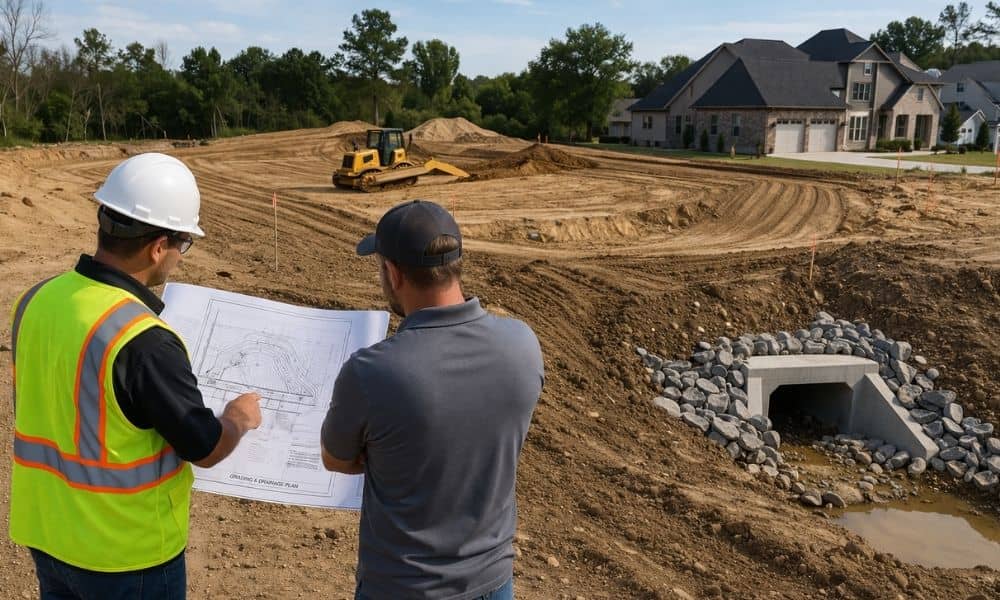
You start with a simple plan. Clear the land, level a spot, and build. It sounds easy. Then someone tells you that you need a grading and drainage plan before moving forward. That moment catches a lot of property owners in Memphis off guard. This is usually when people realize they may need engineering services for site grading and drainage, even if it was not part of the original plan. It is not just for large projects or big developers. It comes into play any time land changes affect how water moves across a property. And in Memphis, that happens more often than most expect.
Knowing when to bring in the right help can save you time, money, and a lot of stress later.
What grading and drainage really mean for your project
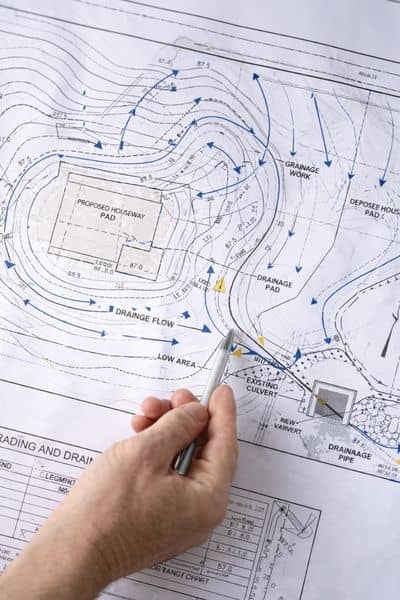
Grading shapes the land. You might raise one area or lower another to make space for a home, driveway, or building. Drainage controls where rainwater goes after it hits the ground.
At first glance, this seems straightforward. However, the ground does not behave in a simple way.
Water always follows the slope. So, when you change the shape of the land, you also change the path of water. That shift can send water toward a structure, across a neighbor’s lot, or into areas that cannot handle it.
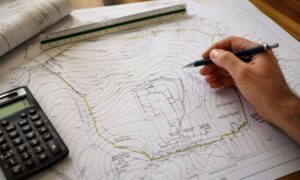
Because of this, engineering services focus on the full picture. They look at how the land sits today and how it will behave after changes. That way, water moves where it should, not where it causes problems.
Why small land changes can turn into big problems
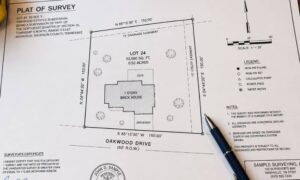
Many projects start small. You level part of a yard or add a driveway, and it feels like a minor change. Most people just move forward without thinking much about it. Later on, it becomes clear that a land survey before grading work begins could have caught a few things early.
Even small adjustments can change how water moves across the property. A slight raise in elevation can block a natural path. A cut into the ground can create a low spot where water collects. Over time, those changes lead to pooling, erosion, or damage to nearby structures.
That’s why engineering services matter early. They help you understand what those small changes will do before you move forward.
When projects usually need engineering services
Some projects clearly need planning from the start. Others reach that point as they grow.
Building on raw land is one of the biggest triggers. Natural land has its own way of handling water. Once you start clearing and grading, that balance shifts. Without a plan, water often moves in the wrong direction.
Adding hard surfaces is another common situation. Concrete and asphalt stop water from soaking into the ground. As a result, more water runs across the surface. That extra flow needs a safe path, or it creates issues on the site.
There are also cases where problems already exist. You may notice standing water after rain or areas where soil keeps washing away. Quick fixes might help for a short time, but the issue often returns. That usually means the root cause was never addressed.
In all of these cases, engineering services guide the solution. They help you plan instead of react.
Why contractors cannot solve drainage alone
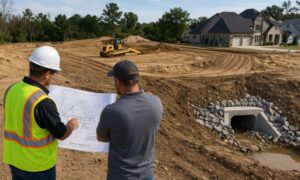
Contractors play a key role in building. They move soil, install materials, and follow plans.
However, design is a different task.
Without proper guidance, a contractor has to make decisions on the spot. That can lead to uneven slopes or drainage paths that do not work over time.
Engineering services provide that guidance. They set elevations, define how water flows, and make sure each part of the site works together. With a clear plan, the construction process becomes smoother and more predictable.
How early planning changes the outcome
Timing makes a big difference.
When you bring in engineering services early, you have room to adjust. You can shift the layout, change elevations, and fix potential issues before work begins.
If you wait, the situation becomes harder to manage. You may need to redo grading, move features, or install extra drainage systems. Each change adds cost and delays.
Planning early keeps the project on track. It also reduces the chance of unexpected problems.
What many property owners overlook
Some sites look simple at first. Flat land can give a false sense of security. Then heavy rain hits, and water collects where it should not.
Other times, a small project grows over time. What starts as a simple build turns into a larger development. As the project expands, so do the risks tied to grading and drainage.
Many owners also focus on how the site looks right away. They want a clean, level finish. However, long-term performance matters more. Water movement after storms tells the real story.
This is why engineering services look beyond the present. They plan for how the site will behave months and years later.
When to bring in engineering services
The best time is before major work begins.
You want a plan in place before clearing land or setting final elevations. At that stage, changes are easier and less expensive.
If you wait until construction starts, your options shrink. Fixes become more complex, and costs rise quickly.
Early input keeps everything aligned from the start.
Why local experience matters in Memphis
Every area has its own conditions. Memphis is no different.
Soil type, rainfall patterns, and existing development all affect how land handles water. A team that understands these factors can plan more effectively.
Engineering services with local experience can spot issues that others might miss. They know what works in the area and what often causes trouble. That knowledge helps prevent costly mistakes.
Planning ahead saves more than money
Grading and drainage are not just technical details. They affect how your project performs every day.
Poor planning can lead to water damage, erosion, and constant repairs. Good planning creates a stable site that works as intended.
Engineering services give you that foundation. They guide decisions early, reduce risk, and help your project move forward with confidence.
If your project involves changing land or adding new surfaces, it is better to plan first and build after.