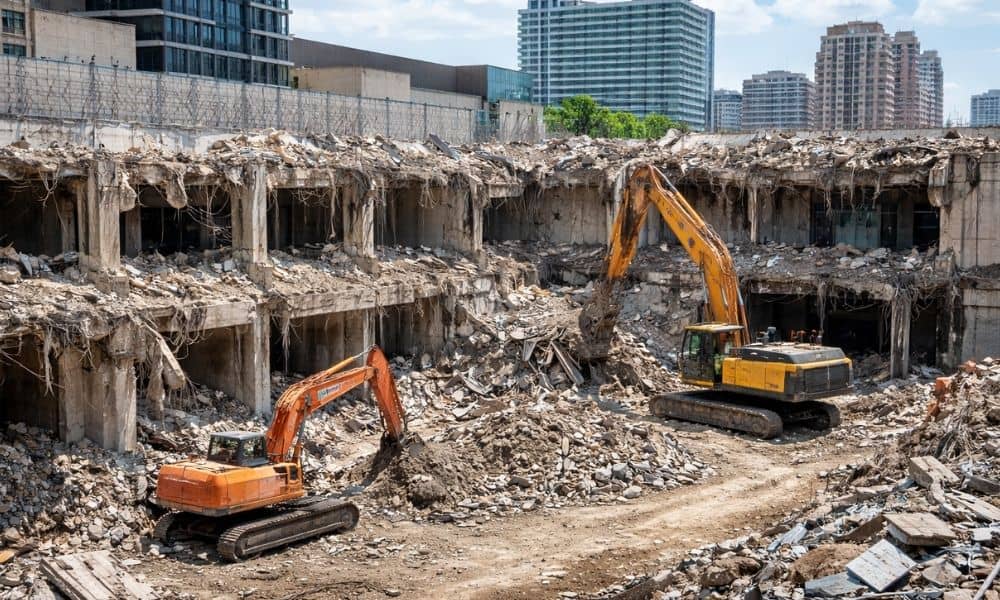
Old malls are changing fast. In North Nashville, the RiverGate Mall site is being cleared to make way for something new. At first, it may look like the hard part starts after demolition. However, that is not the case. Before new buildings rise, one critical step sets everything in motion—a construction survey.
If you plan to redevelop land, even a small property, this matters to you. Many sites look simple on the surface. Yet older land often carries hidden issues. Because of that, starting without clear data can lead to delays, extra costs, and serious mistakes. That’s why teams take time to understand how site conditions are verified during a construction survey before moving forward.
RiverGate Isn’t Empty Land — And That Changes Everything
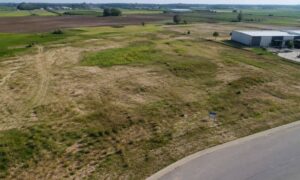
When people see a torn-down mall, they often think the site is ready for a fresh start. However, that land is not truly empty. Over time, many changes have taken place. Structures were built, modified, repaired, and sometimes removed.
As a result, the ground holds layers of history. Some of those layers are easy to see, while others stay hidden. For example, utility lines may still run underground. Certain areas may have shifted due to years of use. In addition, past construction may not match the original plans anymore.
Because of this, treating the land like a blank slate creates risk. A construction survey helps uncover what is really there before new work begins, which is why this kind of work becomes even more important during a construction survey on older sites.
The Challenge of Working With Older Commercial Sites
Older commercial properties bring a different set of challenges. While new land starts clean, redeveloped land carries unknowns. These unknowns can affect every stage of a project.
First, records are not always accurate. Over the years, changes happen, but documentation does not always keep up. Therefore, what appears on paper may not match the actual site.
Next, underground utilities create another layer of risk. Older systems may include active lines, abandoned pipes, or rerouted connections. Without proper verification, construction crews may run into unexpected obstacles.
Finally, the land itself may have changed. Parking lots get resurfaced, soil settles, and drainage patterns shift. Because of that, elevation and grading may differ from past designs.
Together, these factors make redevelopment more complex than it seems.
How a Construction Survey Brings Clarity
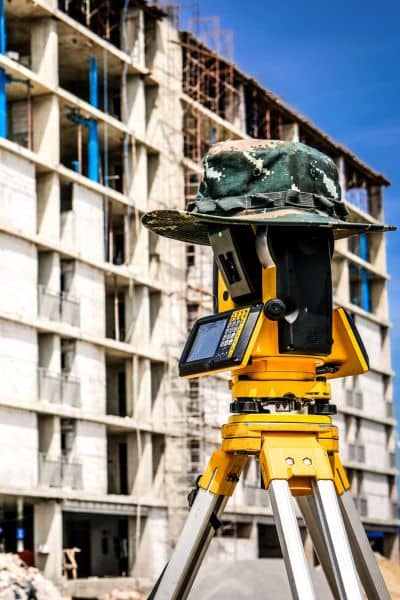
A construction survey gives you a clear understanding of current site conditions. Instead of relying on old plans or assumptions, it provides accurate, up-to-date information.
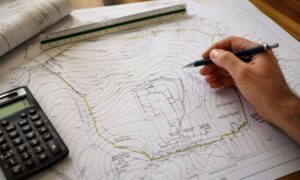
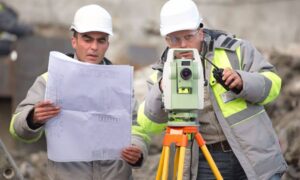
Surveyors measure the land carefully. They locate boundaries, identify existing features, and map elevations. Then, they compare this information with design plans.
As a result, you can see where things align and where they do not. This clarity helps teams make better decisions before construction begins.
Rather than reacting to problems later, you address them early. That shift alone can make a major difference in how a project moves forward.
Why Redevelopment Requires a Different Approach
Building on new land feels more straightforward. You follow the plan and move ahead. However, redevelopment requires a deeper level of understanding.
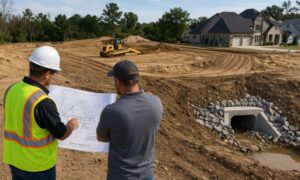
With older sites, you are not just placing new structures. You are working around what already exists. Because of that, a construction survey plays a larger role.
It does more than guide layout. It verifies conditions and reveals hidden conflicts. In many cases, it helps correct assumptions before they turn into costly errors.
This makes it an essential part of the planning process, not just a step during construction.
What Happens When Site Conditions Are Missed
When teams skip or delay a construction survey, problems tend to appear later. At that point, fixing them becomes harder and more expensive.
For instance, a foundation may end up in the wrong location. Utility lines may interfere with planned construction. Grading issues may lead to poor drainage. In some cases, work may stop entirely while crews deal with unexpected findings.
These situations often start small. However, they can grow quickly if left unaddressed. That is why early verification matters so much.
What RiverGate Teaches Property Owners and Developers
Large projects like RiverGate highlight an important lesson. Even though the scale is big, the same principles apply to smaller sites.
Any property with a history can carry hidden conditions. This includes old retail lots, expanded buildings, or land used for parking and storage. Because of that, past use always plays a role in future development.
The key takeaway is simple. The more history a site has, the more uncertainty it holds. A construction survey helps reduce that uncertainty.
When This Applies to Your Project
Many property owners wait too long before thinking about site conditions. They focus on design first and assume everything else will fall into place. However, that approach often leads to problems.
Instead, it helps to consider a construction survey early if you plan to redevelop land, demolish existing structures, or expand a building. Even if the project seems simple, hidden issues may still exist.
By addressing these factors upfront, you create a stronger foundation for the rest of your work.
Why Early Site Data Leads to Better Decisions
Good decisions rely on accurate information. A construction survey provides that information at the right time.
With clear data, teams can adjust plans before construction begins. They can avoid conflicts, improve coordination, and reduce uncertainty. As a result, the entire process becomes more efficient.
Instead of reacting to problems, you move forward with confidence.
Final Thoughts
RiverGate’s transformation shows that redevelopment starts long before new construction begins. It starts with understanding the land as it exists today.
A construction survey makes that possible. It uncovers hidden details, aligns plans with reality, and supports better decision-making.
Whether you are working on a large commercial project or a smaller property, the same idea applies. Land with a past holds information that cannot be ignored.
When you take the time to understand it, you set your project up for success from the very beginning.