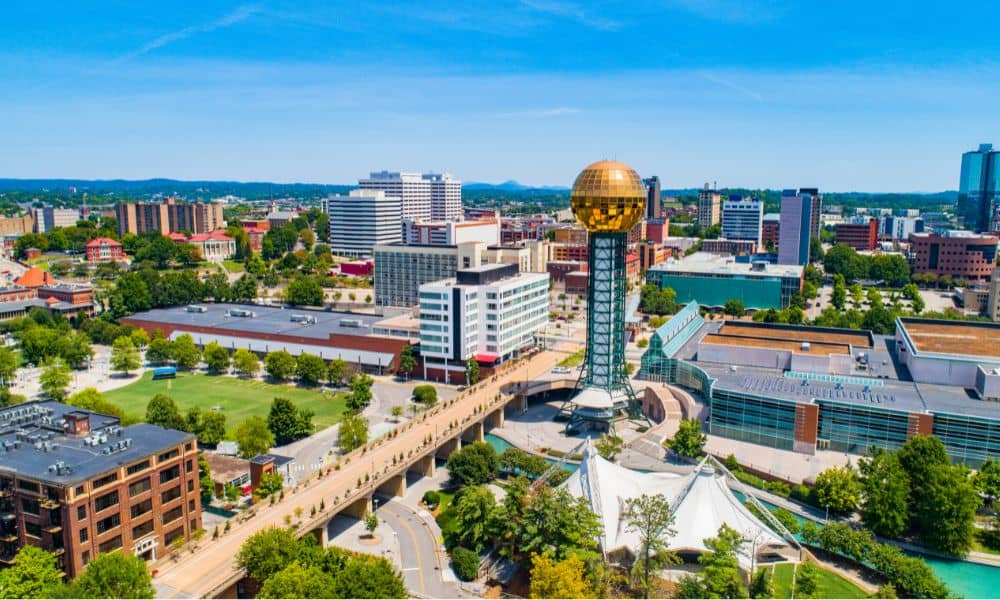
Big things are happening in Knoxville, TN—and LiDAR mapping is helping make it all possible. From a brand-new stadium in the heart of the city to major upgrades at the airport and across key infrastructure, 2025 is shaping up to be a milestone year. Knoxville isn’t just growing—it’s growing smarter.
Behind the scenes, LiDAR mapping gives city planners and engineers a clearer view of the land, helping them make better decisions before construction begins. It’s the kind of technology that doesn’t just support progress—it helps drive it, one scan at a time.
Key Projects Transforming Knoxville
Knoxville’s skyline and street grid are changing fast. Let’s look at some of the city’s most exciting developments where LiDAR plays a key role.
Covenant Health Park – Knoxville’s New Stadium
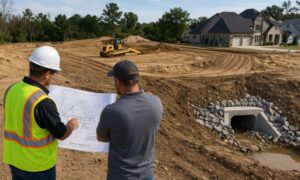
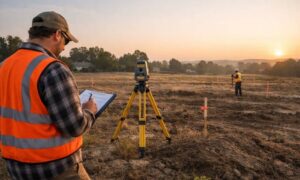
In the Old City neighborhood, Covenant Health Park is under construction. This 7,000-seat stadium will be home to the Knoxville Smokies baseball team and One Knoxville SC soccer team. But before concrete could be poured, the city had to understand the lay of the land—literally. That’s where LiDAR came in. It helped survey teams model the terrain, map drainage routes, and locate underground utilities, making design and construction faster and safer.
McGhee Tyson Airport Terminal Expansion
Just a few miles south, McGhee Tyson Airport is planning a six-gate terminal expansion and a new 3,500-space parking garage. LiDAR mapping was used to assess elevation changes, detect obstacles, and model where future runways and transit lines might go. It’s a vital part of any large-scale infrastructure project—especially in a busy transportation hub.
Citywide Infrastructure and Utility Upgrades
Knoxville’s development push goes beyond big-ticket buildings. Roads, water lines, broadband systems, and stormwater infrastructure are being updated across the city. Planners are using LiDAR to model these systems in 3D, reducing errors and helping crews avoid costly surprises underground.
The Role of LiDAR Mapping in Major Construction Projects
Before a single stake goes into the ground, LiDAR mapping can provide a full 3D snapshot of a project site. This makes it easier to:
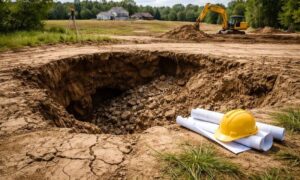
- Spot potential hazards like buried structures or uneven land
- Model drainage and runoff to prevent flooding
- Design more accurate foundations and layouts
In fast-paced projects like Knoxville’s stadium build, that kind of data can mean the difference between delays and on-time success.
Why LiDAR and Traditional Land Surveying Work Better Together
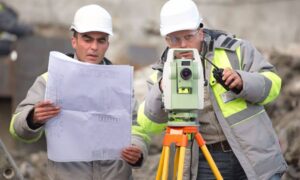
LiDAR doesn’t replace traditional land surveying—it works with it. Surveyors still handle legal boundaries, zoning info, and documentation. But LiDAR adds a detailed, digital layer of insight.
This combination helps planners:
- Visualize terrain with incredible accuracy
- Build in areas with tight space or complex elevation
- Quickly update maps as work progresses
For Knoxville’s multi-phase developments, this blend of tools means more efficiency and fewer reworks.
Benefits for Stadium and Transportation Planners
Building a stadium isn’t easy. You need to plan for everything from stormwater runoff to traffic flow. With LiDAR, teams can create detailed models that simulate how water drains after heavy rain or where shadows from tall buildings might fall during game time.
The same goes for airport expansions and public transit. 3D mapping helps Knoxville’s planners decide where to add walkways, how to align roads, and where to install lighting—all before anything is built.
How LiDAR Mapping is Enhancing Safety and Efficiency
Construction sites can be unpredictable. But with LiDAR, crews walk in with a clear map of what’s underfoot and overhead. This improves safety by avoiding:
- Accidental utility strikes
- Unstable foundation areas
- Missed slopes that cause water damage
It also saves time. Fewer surprises mean fewer change orders and more confident decision-making.
Cost-Effectiveness of LiDAR in Large-Scale Public Projects
Some people worry about the cost of new tech like LiDAR. But in projects like stadiums and airports, the upfront expense often pays for itself. Here’s how:
- Fewer design mistakes = less rework
- Faster approvals = quicker timelines
- Better data = smarter use of taxpayer dollars
In a city growing as fast as Knoxville, those savings add up.
Local Examples of LiDAR Use in Knoxville Projects
City officials and construction crews have already seen the impact of LiDAR in:
- Covenant Health Park: Used to map the old rail yard site before development began
- McGhee Tyson Airport: Supported site modeling and stormwater planning
- Downtown roadway redesigns: Helped planners see how traffic patterns would shift in real-time models
These aren’t future uses—they’re happening right now.
Opportunities for Local Surveying and Mapping Providers
As more development projects rely on LiDAR, the demand for skilled local professionals—like drone operators, data analysts, and mapping specialists—is on the rise. That’s great news for Knoxville’s tech and surveying industries, opening doors for growth and innovation. Knoxville land surveying experts are becoming key partners in helping the city meet its growing infrastructure needs.
Nearby cities, including Chattanooga, are also embracing LiDAR to support their own smart planning efforts. Regional interest in LiDAR mapping continues to grow, and Knoxville is helping set the pace for how this technology is applied effectively in real-world infrastructure projects.
FAQs
1. How is LiDAR used in stadium construction?
It creates 3D maps of the site, helping plan foundations, drainage, and underground utility locations.
2. Is LiDAR mapping accurate enough for big infrastructure projects?
Yes. LiDAR offers centimeter-level precision, making it ideal for complex builds like airports and arenas.
3. Can LiDAR help prevent flooding in Knoxville?
Absolutely. It’s used to map water flow, low-lying areas, and design better drainage systems.
4. Is LiDAR cost-effective for city projects?
Yes, especially when it helps prevent costly mistakes and keeps projects on schedule.
5. How long does a LiDAR survey take for a stadium or airport?
Most scans can be done in hours, with data processed in a few days, depending on project size.
6. Who provides LiDAR services in Knoxville, TN?
Several land surveying firms in East Tennessee offer LiDAR mapping, both by drone and ground systems.