
When Knoxville city leaders pressed pause on the proposed redevelopment of Chilhowee Park, it wasn’t just politics at play. Concerns about flooding, land use, and infrastructure came front and center. For projects this size, one tool can make or break the outcome—a due diligence survey. This type of survey digs deeper than a simple boundary check. It helps uncover risks that could stall, delay, or even kill a project before it begins.
But Chilhowee Park isn’t just a headline. It’s also a lesson for every developer, investor, or homeowner planning to put money into property. Whether you’re looking at a multi-million dollar civic project or a new subdivision, the value of a due diligence survey stays the same: it protects your investment.
What Makes a Due Diligence Survey Different
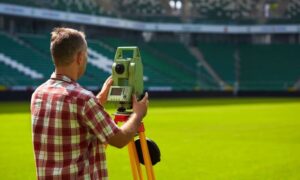
A due diligence survey goes beyond marking where one property ends and another begins. It combines different surveying methods into one clear report. That way, you can see the land’s strengths and weaknesses before contracts get signed or ground is broken.
Here’s what’s usually included:
- Boundary and title verification. Confirms that legal descriptions and existing plats match the reality on the ground.
- Topographic mapping. Shows slopes, drainage patterns, and elevations, which affect grading and stormwater control.
- Floodplain and elevation checks. Identifies whether FEMA maps place part of the property in a flood zone, which can impact insurance and permits.
- Utility locates and easements. Maps both public and private lines so that no surprises come up during construction.
In short, it’s not a box-ticking exercise. It’s a tool for spotting risks early, while there’s still time to adjust.
The Chilhowee Park Lesson
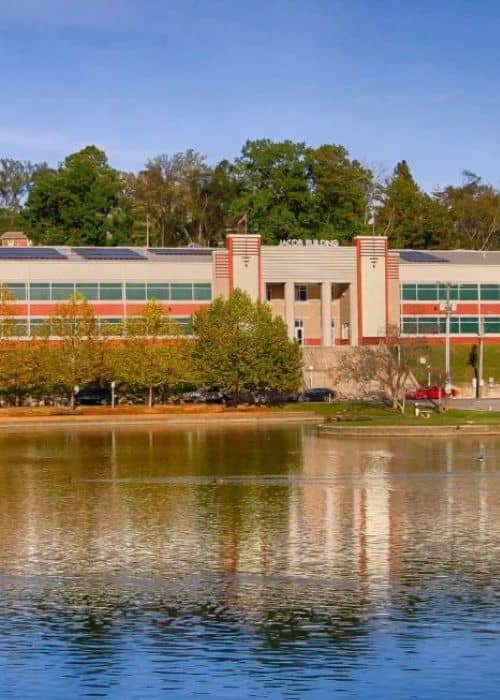
The redevelopment deal for Chilhowee Park was worth between $20 and $30 million. The plan included sports fields, parking areas, and new facilities. But community concerns about flooding and land use caused city leaders to step back.
Imagine what happens if those issues aren’t discovered until after a project is underway. Excavation could reveal waterlogged soils. Permits might be denied if flood risks aren’t addressed. Even worse, redesigns could eat into the budget and delay schedules by months.
A due diligence survey could highlight those problems before contracts close. It would show where the land holds water, what elevation changes exist, and whether current plats match proposed site layouts. That way, developers and city leaders can plan with clarity instead of uncertainty.
Why It Matters Beyond Multi-Million Projects
It’s easy to see Chilhowee Park as a big civic issue, but the same risks apply to smaller projects across Knoxville and East Tennessee.
Take residential subdivisions. Without a due diligence survey, a developer might lay out 30 lots, only to find out later that five of them sit in a floodplain. Suddenly, the plan shrinks, and the budget takes a hit.
Or consider a retail site along Broadway. A survey could reveal utility easements running diagonally across the property. Without that knowledge, the building might be placed in the wrong spot, requiring costly adjustments.
Even homeowners face similar risks. Building near a creek without checking flood maps could mean higher insurance costs or rejected permits. A due diligence survey prevents these headaches before they happen.
Protecting Time, Money, and Reputation
So how does a due diligence survey actually protect investments?
- Prevents costly delays. By revealing zoning conflicts, floodplain issues, or missing records early, projects move forward without sudden stops.
- Supports financing and insurance. Banks and insurers want clear survey data before approving loans or coverage. Without it, money stalls.
- Strengthens community trust. Transparent survey results help calm fears, whether from neighbors or city councils.
- Cuts redesign costs. Identifying problems before design work is finalized saves thousands in fees.
These benefits explain why more lenders, developers, and municipalities now see due diligence surveys as non-negotiable.
Knoxville’s Unique Challenges
Knoxville has its own landscape quirks that make surveys even more critical. KGIS maps show multiple flood zones throughout the city, especially near creeks and low-lying areas. Historic plats can be confusing, with overlapping descriptions dating back decades. And with constant growth, utility networks are complex and not always well-documented.
A due diligence survey connects the dots between these pieces. It merges public records, FEMA maps, and on-the-ground data into one clear picture. That’s the difference between building confidently and rolling the dice.
Who Should Consider a Due Diligence Survey
- Developers planning subdivisions, retail centers, or office parks.
- Investors evaluating large tracts before purchase.
- Civic groups or nonprofits managing redevelopment projects.
- Businesses that need clear timelines for construction.
- Homeowners preparing to build in flood-prone or boundary-sensitive areas.
If your project involves significant money, multiple stakeholders, or complex land, a due diligence survey is worth every penny.
Taking the Next Step
If you’re considering a new project, the best time to order a due diligence survey is before contracts close or permits are filed.
Gather your plats, deeds, and any available site maps. Share them with a licensed land surveyor who understands local zoning and flood regulations. From there, you’ll get a clear report showing risks and opportunities, giving you leverage during negotiations or financing.
Remember: Chilhowee Park isn’t just a headline. It’s a reminder that without careful surveying, even the most exciting projects can stumble.
Conclusion
A due diligence survey doesn’t just protect city projects worth tens of millions. It also shields smaller developments, businesses, and homeowners from hidden risks. The Chilhowee Park pause proves how land conditions can derail progress if not addressed early.
For anyone investing in property—big or small—the message is clear: protect your money and your timeline. Get a due diligence survey before the first shovel hits the ground.